
Tag: ICU
Initial Arterial pH as a Predictor of Neurologic Outcome After Out-of-hospital Cardiac Arrest
Lower pH after out-of-hospital cardiac arrest (OHCA) has been associated with worsening neurologic outcome, with ... read more
Thrombosis and Bleeding in the ICU
ICU patients are high risk of developing thrombotic complications such as deep venous thrombosis (DVT) and pulmonary embolism (PE). Indeed, due to the hypercoagulative state typical for many forms of critical illness associated... read more
The Effect of Dexmedetomidine on Outcomes of Cardiac Surgery in Elderly Patients
The goal of this retrospective study was to investigate the effects of perioperative use of dexmedetomidine (Dex) on outcomes for older patients undergoing cardiac surgery. A total of 505 patients (equal or greater than 65... read more
Machine-learning System Could Aid Critical Decisions in Sepsis Care
Researchers from MIT and Massachusetts General Hospital (MGH) have developed a predictive model that could guide clinicians in deciding when to give potentially life-saving drugs to patients being treated for sepsis in the... read more
Addressing Shortcomings in Infection and Sepsis Treatment Should Be Top of the Priority List
Hospitals are increasingly facing the challenge of cutting costs while also improving clinical outcomes. This is certainly true in the infectious disease sector, as unrecognized or ineffectively treated bacterial infections... read more
Describing Organ Dysfunction in the ICU
Multiple organ dysfunction is a common cause of morbidity and mortality in intensive care units (ICUs). Original development of the Sequential Organ Failure Assessment (SOFA) score was not to predict outcome, but to describe... read more
Closed ICU Model Linked to 100% Reduction in Several HAIs
A closed intensive care unit model, in which a patient is evaluated and admitted under an intensivist and patient care orders are written by ICU staff, can help reduce rates of several healthcare-associated infections (HAI),... read more
Diagnostic error increases mortality and length of hospital stay in patients presenting through the emergency room
Diagnostic errors occur frequently, especially in the emergency room. Estimates about the consequences of diagnostic error vary widely and little is known about the factors predicting error. Our objectives thus was to determine... read more
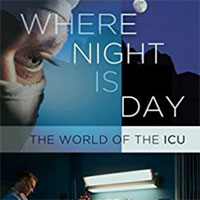
Where Night Is Day: The World of the ICU
Where Night Is Day is a nonfiction narrative grounded in the day-by-day, hour-by-hour rhythms of an ICU in a teaching hospital in the heart of New Mexico. It takes place over a thirteen-week period, the time of the average... read more
Characteristics, Management, and In-hospital Mortality Among Patients with Severe Sepsis in ICU in Japan
Sepsis is a leading cause of death and long-term disability in developed countries. A comprehensive report on the incidence, clinical characteristics, and evolving management of sepsis is important. Thus, this study aimed... read more
Prediction of ICU Delirium
The predictive models evaluated in this study demonstrated moderate to good discriminative ability to predict ICU patients' risk of developing delirium. Models calculated at 24-hours post-ICU admission appear to be more accurate... read more
Early Sepsis Screening in the Emergency Department
This single-center retrospective analysis shows promising results with NEWS as a screening tool primarily because it can be done at triage and does not require any laboratory evaluation. This study adds to the current knowledge... read more
How can we make ICU rehabilitation easier for patients and relatives?
Zoe van Willigen is a Physiotherapist in Critical Care at University Hospital Southampton NHS Foundation Trust. Her study aims to explore patients' and relatives' experiences of ICU rehabilitation (being mobilised out of... read more
Combined Biomarkers Predict Acute Mortality Among Critically Ill Patients With Suspected Sepsis
Combined biomarkers predict risk for 14-day and total mortality among subjects with suspected sepsis. Serum amyloid P and tissue plasminogen activator demonstrated the best discriminatory ability in this cohort. Fourteen-day... read more
The Effect of Adhesive Tape vs. Endotracheal Tube Fastener in Critically Ill Adults
The optimal securement method of endotracheal tubes is unknown but should prevent dislodgement while minimizing complications. The use of an endotracheal tube fastener might reduce complications among critically ill adults... read more
From In Shock to True Connection with Our Patients
If you work in healthcare and haven't read the book "In Shock: My Journey from Death to Recovery and the Redemptive Power of Hope" I really hope you will. In the meantime listen to intensivist and best-selling author Dr Rana... read more
Mapping Sources of Noise in an ICU
Excessive noise in hospitals adversely affects patients' sleep and recovery, causes stress and fatigue in staff and hampers communication. The World Health Organization suggests sound levels should be limited to 35 decibels.... read more
PERFECT Protocol: Volume-based Feeding in Ventilated Adults
Underfeeding in critical illness is common and associated with poor outcomes. Researchers in the UK designed a before-and-after study to evaluate the safety, efficacy and clinical outcomes associated with volume-based feeding... read more
Sedation in ICU patients – Need for Standardized Protocols
A Johns Hopkins-led study on sedation practices in critically ill patients in a resource-limited setting finds that deep sedation, agitation, and benzodiazepines were independently associated with worse clinical outcomes.... read more
Just as in Life and Medicine, Time Is the Biggest Challenge in Writing
For Matt Morgan, writing is a means to relieve work stress and turn it into something useful. In his first book, which will soon be published with Simon & Schuster, he shares stories from the intensive care unit, one of the... read more
Tidal Volume Strategies for those without ARDS
This paper justifies utilizing a higher tidal volume strategy for our patients without primary ARDS/pulmonary disease. This can be very useful. Patient comfort and patient-ventilator synchrony are extremely important. This... read more
Antibiotic Therapy for Severe CAP in the ICU
Researchers have assessed the impact antibiotic therapy on short (hospital) and long-term (6 months) outcomes of ICU patients with severe community-acquired pneumonia. Community-acquired pneumonia (CAP) remains one of the... read more