Tag: infection
Review of the Current Evidence on COVID-19 in Intensive Care
Join Dr. David Lyness as he discusses the current evidence on COVID-19 in Intensive Care. A coronavirus is one of many viruses that cause diseases in mammals and birds. In humans, coronaviruses cause respiratory tract... read more
How to Save Lives in a COVID-19 Pandemic
The pace of COVID-19, the ongoing novel coronavirus outbreak, has been astonishing, and it is inevitable that this will become a pandemic, if it hasn't already. When a disease is a pandemic, it considered to be an ongoing... read more
Clinical Characteristics of Coronavirus Disease 2019 in China
During the first 2 months of the current outbreak, Covid-19 spread rapidly throughout China and caused varying degrees of illness. Patients often presented without fever, and many did not have abnormal radiologic findings. The... read more
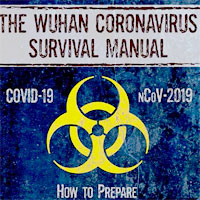
The Wuhan Coronavirus Survival Manual: How to Prepare for Pandemics and Quarantines
Panic over the coronavirus that originated in Wuhan, China is becoming more widespread and people are frantically getting prepared for the possibility of a deadly pandemic that could span the globe. Things like N95 masks... read more
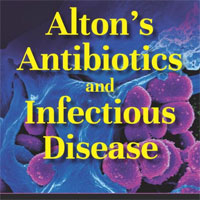
Alton’s Antibiotics and Infectious Disease: The Layman’s Guide to Available Antibacterials in Austere Settings
Alton's Antibiotics and Infectious Disease is a unique simplified guide to using antibacterial and antifungal veterinary medications. It is meant to help the non-medical professional in disaster, survival, and other austere... read more
Severe SARS-CoV-2 Infections: Practical Considerations for Intensivists
On December 31, 2019, China reported cases of respiratory illness in humans appearing first in Wuhan, Hubei Province, that involved a novel coronavirus SARS-CoV-2 (aka 2019-nCoV). This new emergency is a zoonotic disease... read more
COVID-19 Webinar
Access the recording and hear the discussions which give clear insight into the situation in China and Europe, advice on how hospitals should respond and what can be learned from the experience in Mainland China. Guest... read more
Critical Care Response to a Hospital Outbreak of the 2019-nCoV Infection in Shenzhen, China
Beginning at early December 2019, there is an outbreak of a novel 2019-nCoV in Wuhan, China. Then, Public Health Emergency of International Concern (PHEIC) was declared on 30 January 2020, by the World Health Organization... read more
New Genomic Tests Aim to Diagnose Deadly Infections Faster
Rapid genomic tests are poised to change the way doctors diagnose and treat infections, but their cost may limit widespread use. Ryan Springer's mystery illness began last summer with a dull ache in his chest. Over the... read more
Empirical Anti-MRSA Therapy Not Associated with Reduced Mortality for Patients with Pneumonia
This study suggests that empirical anti-MRSA therapy was not associated with reduced mortality for any group of patients hospitalized for pneumonia. These results contribute to a growing body of evidence that questions the... read more
Guidelines for the Management of Septic Shock and Sepsis-Associated Organ Dysfunction in Children
A large cohort of international experts was able to achieve consensus regarding many recommendations for the best care of children with sepsis, acknowledging that most aspects of care had relatively low quality of evidence... read more
Should We Treat Fever in Critically Ill Patients Without Acute Brain Pathology?
In one of the sessions at #LIVES2019 in Berlin, Prof. Frank Van Haren of Canberra Hospital, Australia, presented findings from the Randomised Evaluation of Active Control of Temperature versus Ordinary Temperature Management... read more
ICU Bloodstream Infections Reduced by 80 Percent
Bloodstream infections acquired in UK Intensive Care Units (ICUs) reduced by 80% between 2007 and 2012, according to research funded by Biomedical Research Centres (BRC). The findings are based on data collected from over... read more
Early Identification of Disease Progression in Patients with Suspected Infection Presenting to the ED
In patients presenting to the emergency department (ED) with a suspected infection, the blood biomarker MR-proADM could most accurately identify the likelihood of further disease progression. Incorporation into an early sepsis... read more
Clinical Characteristics of Patients With 2019 Novel Coronavirus
In this single-center case series of 138 hospitalized patients with confirmed 2019 novel coronavirus (2019-nCoV)–infected pneumonia (NCIP) in Wuhan, China, presumed hospital-related transmission of 2019-nCoV was suspected... read more
Molecular Biology of the SARS-Coronavirus
SARS was the first new plague of the twenty-first century. Within months, it spread worldwide from its "birthplace" in Guangdong Province, China, affecting over 8,000 people in 25 countries and territories across five continents.... read more
2019 Novel Coronavirus Stakeholder Listening Session Transcript
In response to the 2019 Novel Coronavirus (2019-nCoV) outbreak, the federal government is taking steps to protect the country. Within the U.S. Department of Health and Human Services, the Office of the Assistant Secretary... read more
How Do We Test for Coronavirus?
Centers for Disease Control (CDC), published methodology for 2019-Novel Coronavirus (2019-nCoV) testing and is currently in the process of applying for an emergency waiver to allow medical-testing facilities to perform these... read more
Global, Regional, and National Sepsis Incidence and Mortality: 1990-2017
Globally, there were an estimated 60.2 million cases of sepsis in 1990 and 48.9 million cases of sepsis in 2017. This change represents a decrease of 18.8%. Of all incident cases of sepsis in 2017, 33.1 million occurred... read more
A Team Response to a Potential Killer: Sepsis
Our bodies are very good at fighting infection. The immune system reacts and attacks bacteria and viruses that make us sick. But sometimes the immune reaction is so strong that it damages the body. This is called a septic... read more
Interim Clinical Guidance for Management of Patients with Confirmed Coronavirus Infection
This interim guidance is for clinicians caring for patients with confirmed 2019 novel coronavirus (2019-nCoV) infection. CDC will update this interim guidance as more information becomes available. There are a limited... read more
Human-to-Human Transmission of a Novel Coronavirus in Vietnam
This article describe transmission of Coronavirus from a father, who had flown with his wife from Wuhan to Hanoi, to his son. The findings suggest that the incubation period in the son may have been 3 days or less. On... read more