
Tag: mechanical ventilation
Anesthesia Role in Sedation and Weaning From Mechanical Ventilation
This systematic review highlights the advantages of anesthetic sedation strategies, particularly the use of dexmedetomidine, methadone, or sequential sedation protocols, in improving weaning outcomes, enhancing sedation quality,... read more
Analgosedation Practice During Noninvasive Respiratory Supports
Sedation is frequently used in patients with acute respiratory failure (ARF) undergoing Noninvasive Respiratory Supports (NRSs). Current analgesic practices are becoming more standardized, with analgosedation strategies increasingly... read more
Lung-protective Ventilation Strategies for Mechanical Ventilation
This study is an important step toward optimizing mechanical ventilation strategies, addressing the interplay between mechanical power, gas exchange and long-term respiratory outcomes could further refine lung-protective... read more
Severe Adenoviral Infections: Disease Progression and Poor Prognostic Markers
Low hemoglobin, high serum ferritin, and high LDH in the second week are markers of disease progression and poor prognostic markers in severe adenoviral infections, emphasizing further research and targeted interventions. The... read more
Increased Sodium Levels Associated with Ceftriaxone Administration
Serum sodium elevation is considered a frequent manifestation in critically ill patients, with significant clinical outcomes and requiring timely management. This case report suggests a possible association between the... read more
Dynamic Left Ventricular Outflow Tract Obstruction Induced by IABP in Patient with Angioedema
Mechanical circulatory support with intra-aortic balloon pump (IABP) can aid in the treatment of cardiogenic shock but may rapidly become detrimental due to the reduction in systolic arterial afterload in patients with predispositions... read more
Glycemic Control Role in Inflammation Markers and Clinical Outcomes in Type 2 Diabetes Patients with Severe COVID-19
This study demonstrates that among hospitalized COVID-19 patients with type 2 diabetes mellitus, poor glycemic control (HbA1c ≥ 7%) correlates with increased systemic inflammation, greater disease severity, and worse clinical... read more
Rapid Clinical Effects of Convalescent Plasma Therapy in Severe COVID-19 ARDS
Administration of convalescent plasma (CP) in critically ill COVID-19 patients leads to a rapid and highly significant improvement of sequential organ failure assessment (SOFA) score along with improvements in respiratory... read more
Promising Prognostic Predictors in Sepsis Patients Using Lactate and Albumin Ratio
Serum Lactate/Albumin ratio and BAR ratio were significantly higher in sepsis and/or septic shock and associated with increased length of hospital stay and increased in-hospital mortality and poor clinical outcome inside... read more
Prophylactic IV Antibiotics Outcomes in Patients with Acute Severe Brain Injury on Mechanical Ventilation
Among critically ill patients with acute brain injury, prophylactic IV antibiotics were associated with less VAP but not with changes in length of stay, mortality, or neurologic outcomes. Patients with structural brain... read more
Association Between Ketamine Use and Mortality in Critically Ill Patients Receiving Mechanical Ventilation
In this retrospective study, we observed that younger patients with acute respiratory distress syndrome (ARDS) may benefit from ketamine use in terms of 14-day mortality. However, these benefits were not observed in longer-term... read more
Peritoneal Dialysis in AKI: 20 Years of Experience at a Single Center
Peritoneal dialysis (PD) may be an effective solution for acute kidney injury (AKI) patients, allowing adequate metabolic and fluid control. Age, APACHE score, hepatorenal syndrome and dropout from PD were associated... read more
Flow Control Ventilation in ICU
Flow control ventilation is an innovative technique of mechanical ventilation with a potentially lung protective characteristics. The constant inspiratory and expiratory flow, no ventilation pauses, and inspiration to... read more
ICU-acquired Weakness: Critical Illness Myopathy and Polyneuropathy
Critical illness myopathy (CIM) and critical illness polyneuropathy (CIP) are significant complications in intensive care unit (ICU) patients, first identified in the late 20th century. These conditions often present... read more
Weaning Failure From Mechanical Ventilation
Ultrasound is a useful tool for identifying weaning failure from cardiovascular, diaphragmatic, respiratory, and airway origin. The strengths of our scoping review lie in its comprehensive approach to synthesizing diverse... read more
Peripheral and Respiratory Muscle Weakness and Functional Impairments in ICU Patients
This study demonstrated that patients discharged from ICU in this resource-constrained setting presented with peripheral and respiratory muscle weakness at unit discharge. Muscle weakness occurred despite a short ICU... read more
Nebulized Furosemide Effect on the Mortality of Mechanically Ventilated ARDS Adult Patients
This RCT tackles an important topic in critical care medicine, which involves a large number of critically ill patients and continues to harbor high mortality despite improvements in management. The results of the study... read more
Ventilation Practices in ABI Patients and Association with Outcomes
Current mechanical ventilation practices for patients with acute brain injury (ABI) are poorly defined. This study aimed to describe ventilator settings/parameters used in intensive care units (ICUs) and evaluate their association... read more
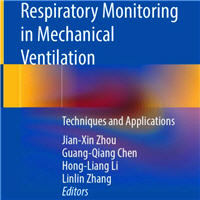
Respiratory Monitoring in Mechanical Ventilation: Techniques and Applications
This book covers the up-to-date advancement of respiratory monitoring in ventilation support as well as detecting the physiological responses to therapeutic interventions to avoid complications. Mechanical ventilation nowadays... read more
Helmet CPAP as NIV for COVID-19 Patients
The COVID-19 pandemic has challenged healthcare systems globally, highlighting the need for effective respiratory support strategies. Helmet continuous positive airway pressure (CPAP) has emerged as a potential noninvasive... read more
Tracheostomy in COVID-19 Patients
Tracheostomy is common in critically ill COVID-19 patients. In patients predicted to need a tracheostomy at some point, early, rather than late, tracheostomy might be a means to reduce the time spent in ICU. However,... read more
Pirfenidone to Prevent Fibrosis in ARDS
Pulmonary fibrosis is a major complication of the Acute Respiratory Distress Syndrome (ARDS). Pirfenidone is an approved treatment for idiopathic pulmonary fibrosis. It may attenuate ARDS-related fibrosis and decrease the... read more