Tag: study
New Study on Prehospital Airway Control Trial Underway
Emory University Department of Emergency Medicine and Grady Memorial Hospital will take part in a U.S. Department of Defense-funded clinical trial to compare different ways to help people with traumatic injuries breathe. The... read more
Clinical Characteristics of Coronavirus Disease 2019 in China
During the first 2 months of the current outbreak, Covid-19 spread rapidly throughout China and caused varying degrees of illness. Patients often presented without fever, and many did not have abnormal radiologic findings. The... read more
Association Between Hypothermia/Ischemia Ratio and Functional Outcome From Out-of-Hospital Cardiac Arrest
Although a larger hypothermia/ischemia ratio was associated with good functional outcome after out-of-hospital cardiac arrest in this cohort, this association is primarily driven by duration of time to return of spontaneous... read more
eFAST Performance with a Novel vs. Conventional Transducers
Point-of-injury extended focused assessment with sonography in trauma (eFAST) may identify life-threatening torso hemorrhage and expedite casualty evacuation. The purpose of this study was to compare combat medic eFAST performance... read more
Recognition, Assessment, and Pharmacotherapeutic Treatment of Alcohol Withdrawal Syndrome in the ICU
Alcohol withdrawal syndrome (AWS) is a complex neurologic disorder that develops after an acute reduction in or cessation of chronic alcohol consumption that alters neurotransmitter conduction. The incidence of AWS in the... read more
Wide Interest in a Vitamin C Drug Cocktail for Sepsis Despite Lagging Evidence
Critical care medicine specialist Paul Marik, MD, has described himself as a status quo destabilizer, and probably nothing illustrates that designation better than the sepsis treatment known as the Marik protocol. In the... read more
Empirical Anti-MRSA Therapy Not Associated with Reduced Mortality for Patients with Pneumonia
This study suggests that empirical anti-MRSA therapy was not associated with reduced mortality for any group of patients hospitalized for pneumonia. These results contribute to a growing body of evidence that questions the... read more
Methylnaltrexone for Treatment of Opioid-induced Constipation in Critically Ill Patients
No evidence to support the addition of methylnaltrexone to regular laxatives for the treatment of opioid-induced constipation in critically ill patients; however, the confidence interval was wide and a clinically important... read more
1 in 5 Patients Die within 90 Days After LVAD Implantation
The aim of the study was to analyze early mortality after continuous-flow left ventricular assist device (LVAD) implantation which remains high. In the EUROMACS registry, approximately 1 in 5 patients die within 90 days... read more
It’s Insane to Keep Using Mortality As a Primary Endpoint in Critical Care Trials
Mortality is an important endpoint, so we shouldn't ignore mortality trends entirely. However, the vast majority of these will be spurious. Thus, we should generally not change practice due to them. In the history of critical... read more
Tranexamic Acid in TBI – CRASH-3 Trial Treatment
The CRASH-3 trial is a multi-centre, randomised, placebo-controlled trial of the effects of tranexamic acid on death and disability in patients with traumatic brain injury (TBI). Patients with reactive pupils and/or mild... read more
Relative Hyperglycemia Predicts In-Hospital Mortality in Critically Ill Patients
Unlike absolute hyperglycemia, relative hyperglycemia, as assessed by the stress hyperglycemia ratio, independently predicts in-hospital mortality in critically ill patients across the glycemic spectrum. Future studies should... read more
The Faster Cooling Rate and More Stable Cooling Process in Endovascular Cooling Shorten Patients’ Time in ICU
This study conducted a meta-analysis to assess the effectiveness, stability, and safety of mild therapeutic hypothermia (TH) induced by endovascular cooling (EC) and surface cooling (SC) and its effect on ICU, survival rate,... read more
Potential Therapy for Improving Sudden Cardiac Arrest Resuscitation Outcomes
The severity of cardiogenic shock following asystolic cardiac arrest is dependent on the length of cardiac arrest prior to cardiopulmonary resuscitation and is mediated by myocardial stunning resulting from mitochondrial... read more
Safe Transfer of the Brain-injured Patient
The document considers recent developments in the management of multiply-injured patients and those with acute ischaemic stroke. Whilst many of the principles of safe transfer are common to all seriously ill patients,... read more
Epinephrine During Resuscitation of Traumatic Cardiac Arrest and Increased Mortality
Epinephrine administered during in-hospital resuscitation was associated with lower 7-day survival rate in patients with out-of-hospital cardiac arrest (OHCA) following trauma. While we examined the outcomes of selected... read more
Should We Treat Fever in Critically Ill Patients Without Acute Brain Pathology?
In one of the sessions at #LIVES2019 in Berlin, Prof. Frank Van Haren of Canberra Hospital, Australia, presented findings from the Randomised Evaluation of Active Control of Temperature versus Ordinary Temperature Management... read more
Early Identification of Disease Progression in Patients with Suspected Infection Presenting to the ED
In patients presenting to the emergency department (ED) with a suspected infection, the blood biomarker MR-proADM could most accurately identify the likelihood of further disease progression. Incorporation into an early sepsis... read more
Health Coaching to Increase Appropriate Inhaler Use in COPD
Health coaching may provide a scalable model that can improve care for people living with chronic obstructive pulmonary disease (COPD). Baseline adherence and inhaler technique were uniformly poor and did not differ by... read more
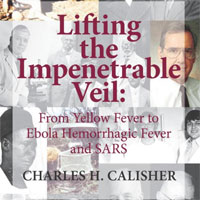
Lifting the Impenetrable Veil: From Yellow Fever to Ebola Hemorrhagic Fever & SARS
This book tells their communal story, the story of medical history, entomology, vector-borne diseases, virology, epidemiology and related fascinating but little recognized disciplines Interweaving his own personal stories... read more
Global, Regional, and National Sepsis Incidence and Mortality: 1990-2017
Globally, there were an estimated 60.2 million cases of sepsis in 1990 and 48.9 million cases of sepsis in 2017. This change represents a decrease of 18.8%. Of all incident cases of sepsis in 2017, 33.1 million occurred... read more
Soluble Urokinase Receptor and AKI
The authors concluded that high suPAR levels were associated with Acute Kidney Injury (AKI) in various clinical and experimental contexts. This cohort study reports that suPAR was associated with subsequent AKI in several... read more