
Tag: ICU
Analgosedation and Delirium Practices in Critically Ill Patients
Before the COVID-19 pandemic, the management of analgosedation was characterized by the predominant use of targeted protocols that favored priority on mild and dynamic sedation in critically ill patients. During the pandemic... read more
Enhanced Prediction of ICU LOS Using a Stack Ensemble of Machine Learning Models
The Length of Stay (LoS) refers to the time between a patient's hospital admission and discharge. LoS is considered to increase as the complexity of the disease increases. A prolonged stay in the Intensive Care Unit (ICU)... read more
Hepatic Critical Care
This book focuses on the critical care of the patient with acute, acute on chronic and chronic liver failure as well as the peri-operative care of the patient with liver transplantation. Each of these disease processes is... read more
Risk Factors for Subsequent LRTI Following an Infant RSV Hospitalization
Fifteen percent of infants experience at least one other medically attended lower respiratory tract infection (MA LRTI) after an respiratory syncytial virus (RSV) hospitalization in the same season, and approximately half... read more
Predicting Sudden Decrease in Oxygenation in Mechanically Ventilated ICU Patients as a Surrogate Marker for ARDS
Acute Respiratory Distress Syndrome (ARDS) is a life-threatening form of respiratory failure characterized by widespread lung inflammation that severely impairs oxygenation. Affecting millions of patients worldwide, ARDS... read more
Unlocking the Predictive Power of Nutritional Scores in Septic Patients
The study highlights the mNUTRIC score's practicality and reliability in assessing nutritional and inflammatory risks in septic patients, particularly in non-ICU settings. These findings suggest its potential utility... read more
Cumulative Fluid Balance During the First Three ICU Days in Septic Patients with Heart Failure
In septic patients with HFpEF, positive fluid balance of CFB-day1 might improve the prognosis of patients. However, from the second day, fluid overload was associated with poor prognosis. Therefore, we propose that on... read more
AKI and Mortality Predictors of Systemic Autoimmune Diseases and COVID-19
The present study highlights renal parameters and outcomes associated with various systemic autoimmune diseases and COVID-19. Patients who presented with low oxygen saturation (... read more
Prescribing Patterns and Effectiveness of Ceftolozane/Tazobactam in Immunosuppressed Patients
Treatment with Ceftolozane/Tazobactam (C/T) resulted in a high rate of clinical success in this real-world cohort of immunosuppressed patients, despite dosing that frequently deviated from labelled dosing. Pseudomonas... read more
VEGFR1 Genetic Regulation During Sepsis and Association with ARDS Susceptibility
We identified biologically relevant protein quantitative trait loci (pQTLs) of vascular endothelial growth factor receptor 1 (VEGFR1) levels during sepsis in TCF20 and identified CYP2D6 as the gene more biologically implicated.... read more
Bundling Procedures in Critically Ill Trauma Patients and ICU LOS
Intubated trauma patients who presented with certain mechanisms (gunshot wounds (GSW), pedestrian struck), received blood transfusions, or exhibited severe/profound ISS may be more likely to receive immediate bundled lines... read more
Cytokeratin-18 Levels in COVID-19 Patients
This study analyzed 176 samples, including 63 ICU-admitted patients and 88 non-ICU-admitted patients. A substantial difference was found between the AST and CK-18 levels of the patients receiving ICU care and those who did... read more
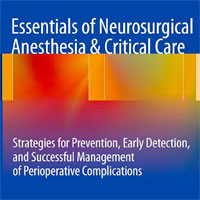
Essentials of Neurosurgical Anesthesia & Critical Care
This handbook is aimed at first-line health care providers involved in the perioperative care of adult and pediatric neurosurgical patients. It is unique in its systematic focus on how to deal with common and important... read more
Emergency ECMO Deployment During Liver Transplantation in POPH Patients
Portopulmonary hypertension (POPH) is a challenge in the perioperative setting. Orthotopic liver transplantation (OLT) is a therapeutic option in that setting. ECMO may be necessary for patients with POPH in the perioperative... read more
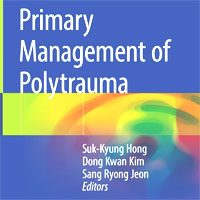
Primary Management of Polytrauma
This well-illustrated book describes a practical approach to the primary management of patients who have multiple injuries, or polytrauma, with the aim of providing medical and paramedical personnel with the knowledge required... read more
Ventilator Associated Pneumonia in ICU: Identification, Evaluation and Prevention
This study highlights the significant prevalence of Pseudomonas aeruginosa (PA) as a major bacterial pathogen causing ventilator-associated pneumonia (VAP) in ICU patients, with a high detection rate of 71.7% in tested patients,... read more
Early Weaning From Invasive Mechanical Ventilation via HFNO vs. Conventional Weaning in ARF Patients
In patients with resolving acute hypoxemic respiratory failure (ARF), early extubation with high flow nasal oxygen is feasible and provides a better alternative to conventional weaning from invasive mechanical ventilation,... read more
New Insights: Mortality in Nosocomial Lower Respiratory Tract Infections
This multicenter, multinational study conducted in Europe and Latin America sheds light on the clinical landscape of nLRTI, which continues to be an essential issue in the context of critical care. We provide insights... read more
ICU-AW in Cardiogenic Shock Patients Requiring Mechanical Circulatory Support
This study provides insights into the characteristics of intensive care unit-acquired weakness (ICU-AW) in patients with Cardiogenic Shock (CS) requiring mechanical circulatory support (MCS). ICU-AW frequently occurred... read more
Rapid and Accurate Sepsis Identification Using AI
This study demonstrates that by providing streamlined predictions using CBC+DIFF data without requiring extensive clinical parameters, the AI-CDSS can be seamlessly integrated into clinical workflows, enhancing rapid, accurate... read more
New Insights: Inhaled Nitric Oxide in Severe COVID-19 Patients
This study provides novel insights into the use of inhaled nitric oxide in severe ARDS COVID-19 patients. Specifically, we demonstrate that the iNO effect of oxygenation improvement is delayed with a prolonged feature that... read more
CAR-T Therapy – Critical Care Considerations of Chimeric Antigen Receptor
Despite significantly improving the treatment of blood cancers, CAR T-cell therapy still faces significant hurdles due to its complex and varied toxicities, which require ongoing research to optimize management; while understanding... read more