
Tag: mechanical ventilation
Mechanical Power: Meaning, Uses and Limitations
Ventilator-induced lung injury (VILI) carries significant attributable mortality in acute respiratory distress syndrome (ARDS). Even though all the ventilatory variables contribute to VILI, current guidelines focus almost... read more
Delirium Prevention in the ICU: Melatonin or Ramelteon
Melatonin modulates the circadian rhythm and has been studied as a preventive measure against the development of delirium in hospitalized patients. Such an effect may be more evident in patients admitted to the ICU, but findings... read more
Ultrasound-Guided Infraclavicular Axillary Vein vs. Internal Jugular Vein Cannulation in Critically Ill Mechanically Ventilated Patients
No difference was found between the real-time ultrasound-guided out-of-plane cannulation of the IJV and the infraclavicular real-time ultrasound-guided in-plane cannulation of the AXV. Both techniques are equally efficient... read more
Early evaluation of heart rate variability can predict the outcome of patients in the ICU
The study evaluated the use of heart rate variability (HRV) to predict the outcome of patients in the ICU. HRV is a way to evaluate the cardiac effects of the autonomic nervous system, and a relation between HRV and outcome... read more
A Guide to Mechanical Circulatory Support: A Primer for Ventricular Assist Device (VAD) Clinicians
This unique book details a multidisciplinary approach for providers caring for the Mechanical Circulatory Support (MCS) patient. Authors discuss the history of MCS, patient selection, surgical and post-operative care, mobility... read more
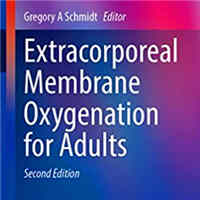
Extracorporeal Membrane Oxygenation for Adults (Respiratory Medicine)
This new edition presents an evidence-based review of extracorporeal membrane oxygenation (ECMO) for adults, with a particular focus on veno-venous (VV) ECMO. Due to the dramatic impact of COVID-19, the number of institutions... read more
Pros and Cons of Disconnecting the Ventilator During Acute Respiratory Decompensation
Disconnecting the ventilator and manual BMV should be performed in cases where device malfunction is the primary cause of decompensation. These instances are quite rare. Disadvantages of switching to BMV include loss of... read more
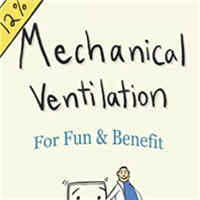
Mechanical Ventilation: For Fun and Benefit
Illustrated and explained simply this book is for anyone that works in an intensive care unit - residents, pulmonary/critical care fellows, therapists, or nurses who wants a better understanding of mechanical ventilation. Easy... read more
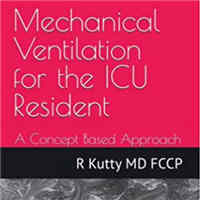
Mechanical Ventilation for the ICU Resident: A Concept Based Approach
This book is written primarily with the intent of helping medical residents understand the basics of mechanical ventilation. It is meant to be read during a one-month rotation in the ICU. It is a compilation of concepts... read more
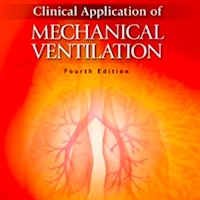
Clinical Application of Mechanical Ventilation
Fundamental concepts of respiratory physiology and the day-to-day duties of a respiratory care professional. Utilizing the wide degree of topics covered, including airway management, understanding ventilator waveforms,... read more
Lung and Diaphragm Protective Ventilation Guided by the Esophageal Pressure
Lung protective ventilatory strategies aim to limit tidal volume, driving pressure and plateau pressure to minimize lung stress and strain and consequently reduce the morbidity and mortality risks associated with mechanical... read more
Care Step Pathway an Effective Tool For Clinicians Caring for Mechanical Ventilated COVID-19 Patients
The Care Step Pathway (CSP) described in this article was developed to increase awareness of the potential association of SARS-CoV-2 infection with invasive fungal infections, particularly pulmonary aspergillosis. The... read more
Dexmedetomidine vs. Propofol Sedation in Critically Ill Adults Requiring Mechanical Ventilation
Dexmedetomidine did not significantly impact ICU length of stay compared with propofol, but it significantly reduced the duration of mechanical ventilation and the risk of delirium in cardiac surgical patients. It also significantly... read more
Protective Ventilation
As ventilator induced lung injury (VILI) importantly impacts outcome of mechanically ventilated patients, even in those without lung injury, it follows that those caring for the critically ill should apply protective ventilatory... read more
Prone Position in Mechanically Ventilated Patients
The use of prone position (PP) during invasive mechanical ventilation was first reported more than 45 years ago as a mean to improve oxygenation in patients with acute hypoxemic respiratory failure. Improved oxygenation... read more
Bedside PUG Positively Impact Efficiency and Cost Outcomes in the ICU
This study demonstrates bedside percutaneous ultrasound gastrostomy (PUG) leads to decreased Length of Stay (LOS) and total hospital costs in patients with ventilator-dependent respiratory failure. Hospital costs were significantly... read more
Sedation Management Evolution in the ICU
This paper provided an overview of how ICU sedation practices have evolved over the last 20 years. Contemporary ICU sedation practices include light levels of sedation, SAT, and use of non-benzodiazepines. The current... read more
Acquired Weakness and Hospital Functional Mobility Outcomes Following Invasive Mechanical Ventilation in Patients with COVID-19
In critically ill COVID-19 patients, the incidence of ICUAW and acute gait dependence were high. Our study identifies factors influencing both outcomes. Future studies should investigate optimal COVID-19 ARDS management and... read more
Medical Nutrition Therapy and Clinical Outcomes in Critically Ill Adults
Calorie intake was mainly provided according to the targets recommended by the active ESPEN guideline, but protein intake was lower. In patients staying in ICU ≥ 5 days, early moderate daily calorie and protein intakes... read more
Prevalence of PICS in Mechanically Ventilated Patients with COVID-19
Coronavirus disease 19 (COVID-19) patients usually require long periods of mechanical ventilation and sedation, which added to steroid therapy, favours a predisposition to the development of delirium and subsequent mental... read more
New WHO Toolkit Focuses on Severe Acute Respiratory Infection
During the early months of the pandemic, it became imperative to share best practices for the care and treatment of patients with SARS CoV-2. This new infectious agent, with potentially new pathogenesis and an unprecedented... read more
External Chest-wall Compression in Prolonged COVID-19 ARDS with Low-compliance
SARS-CoV-2 can lead to severe respiratory failure (C-ARDS) with some clinical and radiological characteristics that match the presentation of acute respiratory distress syndrome (ARDS). The management of mechanical ventilation... read more