
Tag: research
Severe Adenoviral Infections: Disease Progression and Poor Prognostic Markers
Low hemoglobin, high serum ferritin, and high LDH in the second week are markers of disease progression and poor prognostic markers in severe adenoviral infections, emphasizing further research and targeted interventions. The... read more
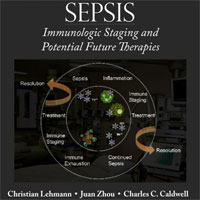
Sepsis: Staging and Potential Future Therapies
Sepsis is a life-threatening organ dysfunction caused by a dysregulated host response to infection. Variability in pathogenesis and complex pathophysiology often delay diagnosis and create significant challenges for clinical... read more
Mortality in Patients with SA-AKI Using the MIMIC-III Database
In this study, we identified critical factors influencing mortality in patients with Sepsis-Induced Acute Kidney Injury (SA-AKI) using the MIMIC-III database. The primary findings of our research, including advanced age,... read more
Endovascular Resuscitation and Trauma Management
This book focuses on endovascular methods for resuscitation and trauma management. Written by highly qualified and clinically active physicians from around the world, it shares information gathered over the past decade,... read more
Accurate Percutaneous Tracheal Tube Placement Using Visual-Guided Transillumination Method
The novel Illuminated Tracheal Alignment Guide (iTAG) device and technique is the first of our knowledge to test the identification of tracheostomy sites by way of laser-guided transillumination. We believe this device... read more
ICU-acquired Weakness: Critical Illness Myopathy and Polyneuropathy
Critical illness myopathy (CIM) and critical illness polyneuropathy (CIP) are significant complications in intensive care unit (ICU) patients, first identified in the late 20th century. These conditions often present... read more
Point-of-Care Ultrasound for the Neonatal and Pediatric Intensivist: A Practical Guide on the Use of POCUS
This book, written by internationally renowned experts, is a comprehensive text covering all aspects and recommendations regarding the use of POCUS for critically ill neonates and children. Point of Care Ultrasound (POCUS)... read more
Recent Advances in Severe Sepsis and Septic Shock Management
This review highlights recent advances in the treatment of severe sepsis and septic shock, emphasizing new strategies aimed at improving overall survival and reducing mortality in this patient population. Despite years... read more
Awareness Strategies and the Physiological Pain Impact in Prehospital Analgesia Management
Developing awareness strategies for prehospital pain management could improve analgesic outcomes, but further research is needed to understand the physiological impact of pain on vital systems. Investigating these dynamics... read more
Patients Under Mechanical Ventilation Are Highly Perceptive
This meta-synthesis provides insights into the perception of intensive care patients under Mechanical Ventilation (MV) who are continuously observing their own lives. This process is complex and involves a highly differentiated... read more
Association Between Aspirin and AKI in Critical Patients with Chest Trauma
This analysis of two datasets reveals that aspirin usage is associated with an increased risk of acute kidney injury (AKI) in critical patients with chest trauma; however, no significant association was observed between the... read more
Evaluation of Vitamin D Supplementation in Critically Ill Patients
Vitamin D supplementation in critically ill patients may shorten ICU or hospital length of stay, improve SOFA scores, or reduce the duration of mechanical ventilation. Its ability to lower 28-day mortality remains uncertain,... read more
The Triglyceride Glucose Index and Delirium Risk in Sepsis Patients
The triglyceride glucose (TyG) index represents a straightforward and efficacious instrument for nursing staff to ascertain the likelihood of delirium in patients with sepsis during the routine monitoring of their condition.... read more
Handbook of Lung Targeted Drug Delivery Systems: Recent Trends and Clinical Evidences
Handbook of Lung Targeted Drug Delivery Systems: Recent Trends and Clinical Evidences covers every aspect of the drug delivery to lungs, the physiology and pharmacology of the lung, modelling for lung delivery, drug devices... read more
AKI and Mortality Predictors of Systemic Autoimmune Diseases and COVID-19
The present study highlights renal parameters and outcomes associated with various systemic autoimmune diseases and COVID-19. Patients who presented with low oxygen saturation (... read more
CAR-T Therapy – Critical Care Considerations of Chimeric Antigen Receptor
Despite significantly improving the treatment of blood cancers, CAR T-cell therapy still faces significant hurdles due to its complex and varied toxicities, which require ongoing research to optimize management; while understanding... read more
Implementing Bedside Percutaneous Tracheostomy and PUG Team to Reduce LOS
Thousands of critically ill patients every year in the United States receive tracheostomy and gastrostomy procedures. Recent research has investigated the benefits of a combined team approach to these procedures, with associated... read more
Factors Associated with Delayed Extubation in Post Cardiac Surgery Patients
The process of extubation is a crucial phase in postoperative care. By comprehending the elements that impact DE, healthcare providers can effectively allocate medical resources to enhance the success of weaning, extubation,... read more
Impact of Extended-course Oral Nirmatrelvir/Ritonavir in Established Long COVID
Extended courses of nirmatrelvir/ritonavir may have meaningful benefits for some people with Long COVID but not others. We encourage researchers to study how and why nirmatrelvir/ritonavir benefits some and what course length... read more
Association Between SHR and Mortality in Patients with Heart Failure Complicated by Sepsis
This study suggests that stress hyperglycemia ratio (SHR) may be a valuable predictor of prognosis in patients with heart failure combined with sepsis. Both high and low SHR values are associated with poorer outcomes.... read more
Plasma Proteome Temporal Changes Associated with Sepsis Mortality
Our proteomics approach revealed significant associations between changes in the plasma proteome within the first days of sepsis and mortality as well as disease severity. We identified and characterised the underlying... read more
Strong Ion Difference to Predict Mortality in Septic Shock: Mortality Prediction Model for Admission and 24-hour Mortality
Stewart's model examines the relationship between the movement of ions across biological membranes and the consequent changes in pH related to modifications in three dependent variables which are the strong ion difference... read more