
Tag: research
A Critical Curve: Unveiling the U-Shaped Relationship Between the TG/HDL Ratio and All-Cause Mortality in Obese Sepsis
This study analyzed 938 obese sepsis patients to investigate the prognostic significance of lipid metabolism abnormalities, focusing specifically on the Triglyceride-to-HDL (TG/HDL) ratio as a predictor of all-cause mortality. Key... read more
Peripheral Perfusion-Targeted Resuscitation Improves Outcomes in Septic Shock
This study, which included 200 sepsis and septic shock patients in the emergency department, compared the effectiveness of management guided by peripheral perfusion measurements against standard care protocols. The study... read more
Managing Opioid Requirements for Buprenorphine/Naloxone Patients on Ventilators
In a study of 176 mechanically ventilated patients, researchers found that patients who were taking buprenorphine/naloxone before they were admitted to the hospital had similar opioid requirements during ventilation as those... read more
New Sepsis Diagnostic Tool Receives $4.87M Grant to Guide Critical Care
A team of doctors and engineers at Washington University School of Medicine received a $4.87 million grant from the U.S. Department of Defense to create a new, rapid diagnostic device for sepsis. This handheld device will... read more
Reduce Delirium in Critically Ill Patients Using Depth of Sedation Monitors
Delirium impacts up to 80% of patients in the intensive care unit (ICU). Current clinical sedation scales depend on subjective measurements, which are unreliable. We hypothesize processed EEG (pEEG) may be effective at monitoring... read more
The Long-term Impact of nirsevimab on RSV-related Hospitalizations
Following two consecutive RSV seasons, nirsevimab immunization demonstrated significant protection against severe outcomes. The first season showed a substantial reduction in severe disease, and this protective effect continued... read more
Gastrointestinal Bleeding in Patients with Antithrombotic Therapy
Patients with anticoagulant therapy more often present with a lower source of GI bleeding than both those on antiplatelet medications and those with no antithrombotics. This should be taken into account when initially evaluating... read more
Enhancing Early Mortality Prediction for Sepsis-associated ARDS Patients Using Machine Learning
This study utilized the MIMIC-IV, eICU CRD, and NWICU databases to construct and validate a machine learning model, SAFE-Mo, which predicts early mortality in patients with sepsis-associated acute respiratory distress syndrome... read more
The Influencing Factors of Neonatal Extubation Failure
This study conducted a systematic review and meta-analysis of 22 studies, revealing significant differences in risk factors between the extubation success and failure groups. Subgroup analysis further showed variations in... read more
The Role of Neuroimaging in Brain Death Diagnosis
Brain death remains a medically and ethically complex topic, due to its religious and philosophical implications, despite the attempt to "scientificise" what is death and what is not. BD is characterized by a lack of universal... read more
Severe Listeriosis in the ICU: Critical Insights from a Multicenter Study
A retrospective multicenter study across 23 French hospitals over 10 years analyzed critically ill ICU patients with culture-confirmed "Listeria monocytogenes" infections. The study aimed to describe patient characteristics,... read more
Thirst Management in Orotracheally Intubated and Mechanically Ventilated Patients
Symptom Management Theory (SMT)-based thirst management is an effective strategy. The 5 mL cold water spray method significantly reduces thirst intensity and distress in mechanically ventilated patients under fasting and... read more
Baricitinib Use in Children with Severe COVID-19 Infection
Baricitinib appears safe for both immunocompetent and immunocompromised children hospitalized for severe COVID-19. Most adverse events did not inhibit therapy administration, and there were no deaths following the initiation... read more
Severe Adenoviral Infections: Disease Progression and Poor Prognostic Markers
Low hemoglobin, high serum ferritin, and high LDH in the second week are markers of disease progression and poor prognostic markers in severe adenoviral infections, emphasizing further research and targeted interventions. The... read more
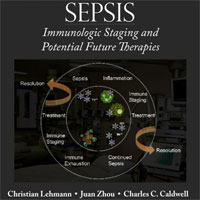
Sepsis: Staging and Potential Future Therapies
Sepsis is a life-threatening organ dysfunction caused by a dysregulated host response to infection. Variability in pathogenesis and complex pathophysiology often delay diagnosis and create significant challenges for clinical... read more
Mortality in Patients with SA-AKI Using the MIMIC-III Database
In this study, we identified critical factors influencing mortality in patients with Sepsis-Induced Acute Kidney Injury (SA-AKI) using the MIMIC-III database. The primary findings of our research, including advanced age,... read more
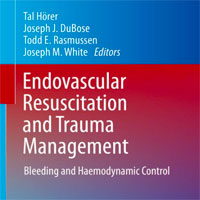
Endovascular Resuscitation and Trauma Management
This book focuses on endovascular methods for resuscitation and trauma management. Written by highly qualified and clinically active physicians from around the world, it shares information gathered over the past decade,... read more
Accurate Percutaneous Tracheal Tube Placement Using Visual-Guided Transillumination Method
The novel Illuminated Tracheal Alignment Guide (iTAG) device and technique is the first of our knowledge to test the identification of tracheostomy sites by way of laser-guided transillumination. We believe this device... read more
ICU-acquired Weakness: Critical Illness Myopathy and Polyneuropathy
Critical illness myopathy (CIM) and critical illness polyneuropathy (CIP) are significant complications in intensive care unit (ICU) patients, first identified in the late 20th century. These conditions often present... read more
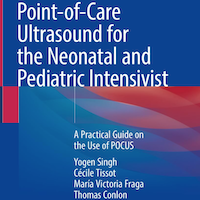
Point-of-Care Ultrasound for the Neonatal and Pediatric Intensivist: A Practical Guide on the Use of POCUS
This book, written by internationally renowned experts, is a comprehensive text covering all aspects and recommendations regarding the use of POCUS for critically ill neonates and children. Point of Care Ultrasound (POCUS)... read more
Recent Advances in Severe Sepsis and Septic Shock Management
This review highlights recent advances in the treatment of severe sepsis and septic shock, emphasizing new strategies aimed at improving overall survival and reducing mortality in this patient population. Despite years... read more
Awareness Strategies and the Physiological Pain Impact in Prehospital Analgesia Management
Developing awareness strategies for prehospital pain management could improve analgesic outcomes, but further research is needed to understand the physiological impact of pain on vital systems. Investigating these dynamics... read more