
Tracheostomy in COVID-19 Patients
Tracheostomy is common in critically ill COVID-19 patients. In patients predicted to need a tracheostomy at some point, early, rather than late, tracheostomy might be a means to reduce the time spent in ICU. However,... read more
Pirfenidone to Prevent Fibrosis in ARDS
Pulmonary fibrosis is a major complication of the Acute Respiratory Distress Syndrome (ARDS). Pirfenidone is an approved treatment for idiopathic pulmonary fibrosis. It may attenuate ARDS-related fibrosis and decrease the... read more
Association Between Osteopontin and Apolipoprotein E gene Polymorphisms and Vancomycin-induced AKI
Individuals carrying specific genotypes of APOE (e2e3) were more prone to develop vancomycin-induced acute kidney injury (AKI), per se. This could apply to other nephrotoxic agents as well. We also observed a significant... read more
Severe COVID-19 Early Identification and the Need for ICU Care Based on Objective Risk Factors
The study found that several factors, including advanced age; male gender; and comorbid conditions like diabetes, chronic lung disease, and CVD had a strong association with ICU admission among COVID-19 patients. Similarly,... read more
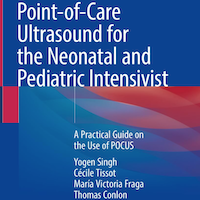
Point-of-Care Ultrasound for the Neonatal and Pediatric Intensivist: A Practical Guide on the Use of POCUS
This book, written by internationally renowned experts, is a comprehensive text covering all aspects and recommendations regarding the use of POCUS for critically ill neonates and children. Point of Care Ultrasound (POCUS)... read more
Septic Distributive Shock: Resuscitative Endovascular Balloon Occlusion of the Aorta
Massive distributive shock can lead to total collapse of the cardiopulmonary system with a subsequent need for CPR. Partial REBOA may be a viable resuscitation adjunct in such cases to restore hemodynamics and increase coronary... read more
Lactate Trajectory Models for Predicting AKI and Mortality in Hyperlactatemia Patients
The present study underscores the significant prognostic value of lactate trajectories in critically ill patients, particularly those with hyperlactatemia. Our findings suggest that rapid lactate clearance is strongly... read more
Mortality Time Frame Variability in Septic Shock Clinical Trials
There was considerable variability in the mortality time frames reported in ICU-based septic shock trials. This variability may lead to under or overestimation of the problem, overlooking the effectiveness of the interventions... read more
Hemophagocytic Lymphohistiocytosis Markers Associated with Mortality in Critically Ill Patients
The present study highlights the prognostic significance of HLH criteria in critically ill patients. Individuals exhibiting two or more criteria at ICU admission experienced nearly a doubling in mortality as compared to patients... read more
COVID-19 vs non-COVID-19 Patients Without Hematological Malignancies Treated for Invasive Pulmonary Aspergillosis
COVID-19-associated pulmonary aspergillosis (CAPA) patients have less comorbidities and higher fungal burden compared to Putative Invasive Pulmonary Aspergillosis (PIPA), but clinical outcomes are similar between groups.... read more
Clinical Prediction Model Development for Stages of AKI in Critically Ill Patients
Using readily available predictors in the ICU setting, we could develop a prediction model for different stages of AKI with good performance and promising clinical usefulness. Among critically ill patients, acute kidney... read more
Provocative Angiography Safety and Efficacy for Gastrointestinal Hemorrhage Localization and Treatment
This study demonstrated that provocative angiography was safe and effective for localization of intermittent or occult gastrointestinal bleeding. Overall, provocative angiography had a positivity rate of 14/40 (35 %) in this... read more
Total Bilirubin as a Marker for Hemolysis and Outcome in ARDS Patients Treated with vvECMO
Patients with acute respiratory distress syndrome (ARDS), treatment with veno-venous ECMO and a total bilirubin (tBili) plasma concentration over the threshold of 3.6 mg/dl had significantly lower chances of survival, recovery... read more
COVID-19 Omicron: Immunocompromised vs. Non-immunocompromised Patients
Immunocompromised patients admitted to the ICU due to COVID-19 during the omicron period had higher mortality than non-immunocompromised patients. Additionally, immunocompromised patients with COVID-19 had higher mortality... read more
Airflow Patterns and Adaptive Attachment Ventilation with Deflectors
A novel ventilation mode was introduced and investigated by a series of experiments under isotherm condition, focusing on elucidating the airflow patterns and characteristics associated with this mode. Semi-empirical equations... read more
Diagnostic Value of Chest X-ray in Acute Pulmonary Thromboembolism
This case underscores the diagnostic value of chest X-ray in acute pulmonary thromboembolism (PTE), highlighting the significance of recognizing classical radiographic signs such as Westermark's, Palla's, Fleischner's and... read more
CAFe Model a Significant Step Forward in Coronary Artery Disease Progression Simulation
The multi-physics simulation (CAFe) model represents a significant step forward in the simulation of coronary artery disease (CAD) progression and offers a promising tool for advancing our understanding of the disease. This... read more
Eosinopenia as a Predictor of Clinical Outcomes in CAP Patients
Contrary to previously published data, our analysis did not demonstrate an association between eosinopenia and increased mortality risk in hospitalized patients with community-acquired pneumonia (CAP), highlighting the complexity... read more
Vasoactive Agents in Cardiogenic Shock Related to AMI and ADHF
Cardiogenic shock (CS) is a heterogeneous condition associated with exceptionally high mortality rates, despite significant advances in the field of cardiology. The primary causes of CS are myocardial infarction-related CS... read more
Failure to Rescue in ALF
The concept of failure to rescue has been used to measure the quality of care for complications developed following surgery. In patients with acute liver failure (ALF), the concept of failure to rescue highlights the... read more
Recent Advances in Severe Sepsis and Septic Shock Management
This review highlights recent advances in the treatment of severe sepsis and septic shock, emphasizing new strategies aimed at improving overall survival and reducing mortality in this patient population. Despite years... read more
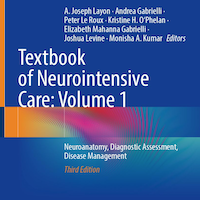
Textbook of Neurointensive Care: Volume 1: Neuroanatomy, Diagnostic Assessment, Disease Management
This extensively updated edition provides a comprehensive review of intensive care for neurologically injured patients from the emergency room and ICU through the operating room and post-surgical period in two comprehensive... read more