
Checklists and Consistency of Care After Resuscitation From IHCA
In-hospital cardiac arrest (IHCA) with the return of spontaneous circulation (ROSC) is a clinical scenario associated with potentially devastating outcomes. Our study demonstrated improved consistency in completing post-ROSC... read more
VA-ECMO in High-Risk Pulmonary Embolism
High-risk Pulmonary Embolism (PE) has an ominous prognosis and requires emergent reperfusion therapy, primarily systemic thrombolysis (ST). In deteriorating patients or with contraindications to ST, Veno-Arterial Extracorporeal... read more
Multiple Electrolytes Solution vs. Saline as Bolus Fluid for Pediatric Septic Shock Resuscitation
Among children presenting with septic shock, fluid resuscitation with MES (balanced crystalloid) as compared with 0.9% saline resulted in a significantly lower incidence of new and/or progressive AKI during the first 7 days... read more
Ground-breaking New AI Technology for Severe Sepsis Rapid Identification
ASEP Medical Holdings Inc. announced the ground-breaking use of artificial intelligence (AI) to rapidly identify infections at increased risk of severe sepsis. The method was developed by the Hancock Lab, under the guidance... read more
Fluid Therapy for Critically Ill Adults with Sepsis
Fluids are an important component of treating patients who are critically ill with sepsis. Although optimal fluid management in patients with sepsis remains uncertain, clinicians should consider the risks and benefits of... read more
Acute Kidney Injury in ICU Patients
Patients admitted to the intensive care unit are prone to various complications, one of which is acute kidney injury (AKI). The etiology of acute kidney injury can be multifactorial. Among the various causes, sepsis remains... read more
Angiotensin-converting Enzyme 2 Polymorphisms and Susceptibility of Severe COVID-19
Science is digging for the varied presentation of COVID-19 patients exposed to the same risk factors, and medical conditions may be influenced by the presence of polymorphic genetic variants. This study investigated the link... read more
Balloon-Blowing Exercise Effect on Oxygen Saturation in COVID-19 Patients
Balloon therapy is an empirical example that patients with respiratory tract diseases can use to improve their daily care. The diaphragm and ribs are expanded and raised by the intercostal muscles, which are activated during... read more
Oxygen Support Needs in Children with RSV vs. COVID-19
Children with respiratory syncytial virus (RSV) had a higher risk of pneumonia, bronchiolitis, and a hospital stay of more than 4 days vs children with COVID-19 or influenza. Investigators compared demographic and clinical... read more
Risk Factor for Superimposed Nosocomial BSI in Hospitalized COVID-19 Patients
Unmodified risk variables for nosocomial bloodstream infections (BSIs) included male sex and leukocytosis at admission. Using methylprednisolone and obtaining a cumulative dosage of dexamethasone were adjusted risk variables... read more
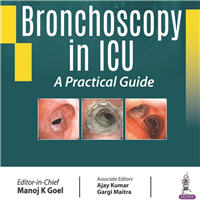
Bronchoscopy in ICU: A Practical Guide
This practical guide focuses on Bronchoscopy in ICU. Bronchoscopy is one of the most commonly performed medical procedures, but is limited to the practice of a handful chest physicians and surgeons. The field of bronchoscopy... read more
Correlation of Common Carotid Artery Blood Flow Parameters With TTE-CO for Assessing Fluid Responsiveness After PLR Test in Critically Ill Patients
The passive leg raising (PLR) test is a simple, non-invasive method of knowing fluid responsiveness by acting as an internal-fluid challenge. The PLR test coupled with a non-invasive assessment of stroke volume would be the... read more
The Song of the Cell: An Exploration of Medicine and the New Human
In the late 1600s, Mukherjee sets the stage for an extraordinary tale. It revolves around two notable individuals: Robert Hooke, a renowned English polymath, and Antonie van Leeuwenhoek, an eccentric Dutch cloth-merchant.... read more

Choosing Wisely Interventions to Reduce Antibiotic Overuse
These real-world multicomponent interventions responding to physician pay-for-performance (P4P) incentives were associated with substantial reductions in antibiotic prescriptions for acute respiratory tract infections (ARTIs)... read more
Why We Can Thank a Polio Emergency for the Birth of Intensive Care
An outbreak of polio in 1950s Denmark led one hospital to pioneer mechanical ventilation, constant monitoring of vital signs and other innovations that are saving lives to this day. The COVID-19 pandemic has brought home... read more
The Autumn Ghost: How the Battle Against a Polio Epidemic Revolutionized Modern Medical Care
"The Autumn Ghost" is a suspenseful and authoritative account that explores how the battle against a polio epidemic in the mid-20th century led to a revolution in medical care. Dr. Hannah Wunsch focuses on the autumn... read more

Comparison of ETA and BALF mNGS in Severe Pneumonia
Our study showed that some differences in the microbiological diagnosis via endotracheal aspirate (ETA) mNGS and bronchoalveolar lavage fluid (BALF) metagenomic next-generation sequencing (mNGS) appear to exist. Clinicians... read more
Increased Fungal Infections Hospitalizations during COVID-19
An examination of a large healthcare database in the United States revealed a significant rise in hospitalization rates related to fungal infections between 2019 and 2021. This increase was primarily driven by hospitalizations... read more
Verticalization Therapy for ARDS Patients Receiving VV-ECMO
Persistent hypoxemia during veno-venous extracorporeal membrane oxygenation (VV-ECMO) for supporting acute respiratory distress syndrome (ARDS) patients is a clinical challenge for intensive care medical providers. Prone... read more
Heparin-Binding Protein Predictive Value and D-Dimer in Sepsis Patients
As common clinical indicators for predicting sepsis, both HBP and D-dimer have high diagnostic effectiveness. Furthermore, the combined application of these two biomarkers can achieve favorable effects. In clinical practice,... read more
Fluid Responsiveness Evaluation with Integrated Ultrasonographic Approach
In a group of non-ventilated patients, who had already undergone the initial resuscitation, we demonstrated that the evaluation of the fluid responsiveness (FR) based on echocardiography and lung ultrasound increased the... read more
Prostacyclin Anticoagulation Efficacy in Critically Ill Patients Requiring Extracorporeal Support
Extracorporeal support modalities are highly prothrombotic. Anticoagulation is frequently used for patients receiving Continuous Renal Replacement Therapy (CRRT), Molecular Adsorbent Recirculating System (MARS), and Extracorporeal... read more