
Tag: ICU
The Obesity Paradox in Critically Ill Patients
A causal inference approach that is robust to residual confounding bias due to model misspecification and selection bias due to missing (at random) data mitigates the obesity paradox observed in critically ill patients, whereas... read more
Interim-analysis of the COVID-19 Patients Treated with the Seraph 100 Microbind Affinity Filter Registry
The treatment of COVID-19 patients with Seraph®100 is well tolerated and the circuit failure rate was lower than previously reported for KRT in COVID-19 patients. Mortality corelated with late initiation of Seraph treatment... read more
Outcome After Intubation for Septic Shock with Respiratory Distress and Hemodynamic Compromise
Intubation within 24 h of sepsis was not associated with hospital mortality but resulted in fewer 28-day hospital-free days. Although intubation remains a high-risk procedure, we did not identify an increased risk in mortality... read more
To Bronch or Not to Bronch – That Is the Question
Percutaneous tracheostomy was safely and effectively performed by an experienced surgical team both with and without bronchoscopic guidance with no difference in the complication rates. This study suggests that the use... read more
The Importance of Accurate Glucose Monitoring in Critically Ill Patients
Critically ill patients are not found just in intensive care units, but throughout the hospital: emergency departments, post-anaesthesia care units, operating rooms, and many other environments now care for the critically... read more
Intravenous Push Levetiracetam Safety in a Neuro-Spine ICU
Administration of levetiracetam doses up to 2000 mg via IVP is a safe method of administration that results in a reduction of time to medication administration and a reduction of benzodiazepine use. Of the 2,055 hospital-wide... read more
Management of Pulmonary Embolism in the ICU
Pulmonary embolism is a reason for admission to the Intensive Care Unit and this complication in hospitalised patients is associated with high morbidity and mortality. The identification and management of pulmonary embolism... read more
First-Pass Orotracheal Intubation: Video Laryngoscopy vs. Direct Laryngoscopy
Among patients in the ICU requiring intubation, video laryngoscopy compared with direct laryngoscopy did not improve first-pass orotracheal intubation rates and was associated with higher rates of severe life-threatening... read more
Predict Sepsis-Associated Vasopressor Use in the ICU
Domain adaptation improved performance of a model predicting sepsis-associated vasopressor use during external validation. 40 retrospectively collected features from the electronic medical records of adult ICU patients... read more
Safety and Efficacy of MUST-ARDS
This important first study, using multipotent adult progenitor cells in ARDS patients (MUST-ARDS), was a phase 1/2 randomised, blinded, placebo-controlled trial that demonstrated safety and tolerability of intravenous administration... read more
Rapidly Progressive Brain Atrophy in Septic ICU Patients
Many ICU patients with severe sepsis who developed prolonged mental status changes and neurological sequelae showed signs of brain atrophy. Patients with rapidly progressive brain atrophy were more likely to have required... read more
Semiquantitative Assessment of RFV with a Modified Subcostal Echocardiographic View
In patients presenting with RVF in the ICU (or in situations where the apical echocardiographic view is suboptimal for tricuspid annular assessment), SEATAK can be an alternative to TAPSE. Further research is needed to validate... read more
Serum Sodium and In-Hospital Mortality in Critically Ill Patients
In this large multicenter observational cohort study of ICU patients, we aimed to assess the independent association of changes in serum sodium in the first 48 hours of ICU admission with in-hospital mortality for patients... read more
Inhaled Pulmonary Vasodilator Therapy in Adult Lung Transplant
Among patients undergoing LT, use of iEPO was associated with similar risks for PGD-3 development and other postoperative outcomes compared with the use of iNO. A total of 201 randomized patients met eligibility criteria... read more
Dynamic Delirium Severity Trajectories and Healthcare Utilization
This secondary analysis did not identify a significant relationship between delirium severity trajectories and healthcare utilization or mortality within 2 years of hospital discharge. The overall sample (n = 431) had... read more
Weaning Methods From Mechanical Ventilation in Adult Patients
In general consideration, our study provided evidence that weaning with proportional assist ventilation has a high probability of being the most effective ventilation mode for patients with mechanical ventilation regarding... read more
Optimizing Critical Illness Recovery: Perspectives and Solutions From the Caregivers of ICU Survivors
This qualitative, multicenter, international study of caregivers of critical illness survivors identified consistently unmet needs, means by which caregivers accessed support post ICU, and several care mechanisms identified... read more
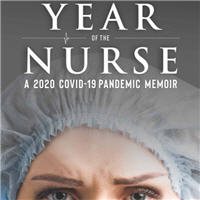
Year of the Nurse: A 2020 Covid-19 Pandemic Memoir
This book is for everyone, nurse or otherwise, who is furious about how 2020 went down and how 2021 is going. #1 Amazon Bestseller in Critical & Intensive Care Nursing #1 Amazon Bestseller in Mental Health Nursing #1... read more
Critical Illness in Patients with Hematologic Malignancy
Critical illness in patients with a newly diagnosed hematologic malignancy is frequent, occurring early after diagnosis. Certain baseline characteristics can help identify those patients at the highest risk. A total of... read more
Effect of Adjunctive Vitamin C, Glucocorticoids, and Vitamin B1 on Sepsis
We aimed to compare the effects of vitamin C, glucocorticoids, vitamin B1, combinations of these drugs, and placebo or usual care on longer-term mortality in adults with sepsis or septic shock. MEDLINE, Embase, CENTRAL, ClinicalTrials.gov... read more
Seven Signs of Life: Stories from an Intensive Care Doctor
Seven Signs of Life encompasses intensive care stories centered around patients and as a means to explain the ICU to the non-clinician. However, Aoife Abbey organises her book by emotion, not by body system. This clever structure... read more

Essentials of Aerosol Therapy in Critically Ill Patients
This book assesses the most appropriate forms of aerosol therapy for critically ill patients. Aerosol therapy is applied for the treatment of several pulmonary diseases in addition to some promising applications intended... read more