
Tag: infection
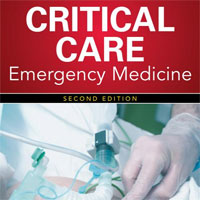
Critical Care Emergency Medicine
The groundbreaking text on critical care emergency medicine – updated with the latest evidence and recommendations. Critical Care Emergency Medicine has become the standard reference for all clinicians who wish to understand... read more
Use of Procalcitonin During the First Wave of COVID-19
A minority of patients presenting to hospital with COVID-19 have bacterial co-infection. Procalcitonin testing may help identify patients for whom antibiotics should be prescribed or withheld. This study describes the... read more
Simulated Identification of Silent COVID-19 Infections Among Children
In this simulation modeling study of a synthetic US population, in the absence of vaccine availability for children, a targeted approach to rapidly identify silent COVID-19 infections in this age group was estimated to significantly... read more
Clinical Trial of Therapeutics for Severely Ill Hospitalized COVID-19 Patients Begins
A new Phase 3 trial to test the safety and efficacy of therapeutics for COVID-19 has begun enrolling patients hospitalized with life-threatening cases of COVID-19, including those with acute respiratory failure. The trial... read more
10 Scientific Reasons in Support of Airborne SARS-CoV-2 Transmission
Heneghan and colleagues' systematic review, funded by WHO, published in March, 2021, as a preprint, states: "The lack of recoverable viral culture samples of SARS-CoV-2 prevents firm conclusions to be drawn about airborne... read more
Effect of Infusion Set Replacement Intervals on Catheter-related Bloodstream Infections
The optimal duration of infusion set use to prevent life-threatening catheter-related bloodstream infection (CRBSI) is unclear. We aimed to compare the effectiveness and costs of 7-day (intervention) versus 4-day (control)... read more
Co-infection in Critically Ill Patients with COVID-19
During previous viral pandemics, reported co-infection rates and implicated pathogens have varied. In the 1918 influenza pandemic, a large proportion of severe illness and death was complicated by bacterial co-infection,... read more
Sunlight Linked to Lower COVID-19 Deaths
Our analysis suggests that higher ambient UVA exposure is associated with lower COVID‐19 specific mortality. Further research on the mechanism may indicate novel treatments. Optimised UVA exposure may have population health... read more
Use of Biomarkers to Identify AKI to Help Detect Sepsis in Patients with Infection
Use of the urinary (tissue inhibitor of metalloproteinases-2) × (insulin-like growth factor binding protein 7) test could identify acute kidney injury in patients with infection, possibly helping to detect sepsis, nearly... read more
A Scenario Modeling Pipeline for COVID-19 Emergency Planning
Coronavirus disease 2019 (COVID-19) has caused strain on health systems worldwide due to its high mortality rate and the large portion of cases requiring critical care and mechanical ventilation. During these uncertain... read more
Virus-Induced Changes of the Respiratory Tract Environment Promote Secondary Infections
Secondary bacterial infections enhance the disease burden of influenza infections substantially. Streptococcus pneumoniae (the pneumococcus) plays a major role in the synergism between bacterial and viral pathogens, which... read more
Role of N-Acetylcysteine in Non-acetaminophen-related Acute Liver Failure
N-acetylcysteine (NAC) is well known to emergency medicine physicians as the antidote in acute acetaminophen ingestion. The scope of use for this medication beyond that is often not considered, such as in other etiologies... read more
The Surviving Sepsis Campaign: Fluid Resuscitation and Vasopressor Therapy Research Priorities in Adult Patients
In the second of a series of manuscripts subsequent to the original article, members with expertise in the subjects expound upon the three identified priorities related to fluid resuscitation and vasopressor therapies. This... read more
COVID-19 Infects Mouth Cells
Scientists have shown that SARS-CoV-2, the virus that causes COVID-19, can infect specific cells in the salivary gland in the mouth. The study by researchers from the Wellcome Sanger Institute, National Institutes of Health... read more
Increased risk of mortality in patients infected with SARS-CoV-2 variant of concern 202012/1
We started estimating the SARS-CoV-2 reproduction number in the UK using Public Health England data in March 2020, contributing to the Scientific Pandemic Influenza Modelling subgroup (SPI-M) weekly consensus estimates. In... read more
The Influence of Airflow Via High-Flow Nasal Cannula on Duration of Laryngeal Vestibule Closure
The purpose of this experimental study was to investigate the influence of airflow via high-flow nasal cannula (HFNC) on the duration of laryngeal vestibule closure (dLVC) and Penetration-Aspiration Scale (PAS) scores. 29... read more
Long-Term Survival Following Sepsis
The nearly 75% mortality four years after diagnosis indicates that changes are needed both in the acute treatment of patients with sepsis and in their multi-sector long-term care. The applicability of these findings may be... read more
Prophylaxis for Pneumocystis Pneumonia in non‐HIV Immunocompromised Patients
Our review shows that TMP/SMX prophylaxis is highly effective for prevention of Prophylaxis for Pneumocystis Pneumonia (PCP) in patients with hematological malignancies, bone marrow transplantation and solid organ transplantation,... read more
Convalescent Plasma Doesn’t Prevent Further COVID-19 Progression in At-Risk Patients
Convalescent plasma (CP) from recovered patients with COVID-19 doesn't prevent further COVID-19 progression in at-risk people who visit the emergency room (ER). Early this week, the National Institutes of Health (NIH)... read more
Cerecor Significantly Reduced Respiratory Failure and Mortality in Phase 2 Clinical Trial in Patients Hospitalized with COVID-19 ARDS
Final analysis inclusive of the 60-day safety update in the randomized placebo-controlled study demonstrated CERC-002 was statistically significant in reducing respiratory failure and mortality at Day 28 in patients hospitalized... read more
Chloroquine/Hydroxychloroquine for Treating or Preventing COVID-19 Infection
When given along with azithromycin, hydroxychloroquine increased the risk of any unwanted effects, but made no difference to the risk of serious unwanted effects (1 study; 444 people). Compared with lopinavir plus ritonavir,... read more
The Association of Platelet Decrease Following CRRT Initiation and Increased Rates of Secondary Infections
Platelet count drop by greater than 40% following continuous renal replacement therapy (CRRT) initiation is associated with an increased risk of secondary infection, particularly in patients with thrombocytopenia at the time... read more