Tag: research
Mortality and Clinical Characteristics of MIS-C Associated with COVID-19
The clinical presentation and severity of Multisystem Inflammatory Syndrome in Children associated with COVID-19 (MIS-C) is widespread and presents a very low mortality rate in high-income countries. This research describes... read more
Difference in Sepsis Patients Outcomes Between First and Second-Hit Infections
Our study identifies a fundamental difference in patient outcomes between first-hit and second-hit bacterial infections, which may be due to genetic, microbiological, immunological, and environmental factors. This finding... read more
Impact of Tight Glucose Control on Circulating 3-hydroxybutyrate in Critically Ill Patients
Tight versus liberal glucose control in the context of early parenteral nutrition did not affect 3-hydroxybutyrate concentrations in critically ill patients. Hence, the protective effects of tight glucose control in this... read more
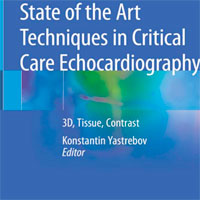
State of the Art Techniques in Critical Care Echocardiography
This book covers all aspects of modern techniques used in the rapidly developing field of adult critical care echocardiography, 3D transthoracic and transesophageal echocardiography, myocardial tissue velocity and deformation... read more
The Nexus Between Sleep Disturbance and Delirium Among Intensive Care Patients
Sleep in intensive care is hampered due to many factors; the clinical environment itself exacerbates sleep disturbance. Research suggests that interventions aimed at improving sleep quality have produced positive effects... read more
Effect of Moderate vs Mild Therapeutic Hypothermia on Mortality and Neurologic Outcomes in Comatose Survivors of Out-of-Hospital Cardiac Arrest
In comatose survivors of out-of-hospital cardiac arrest, a target temperature of 31 °C did not significantly reduce the rate of death or poor neurologic outcome at 180 days compared with a target temperature of 34 °C. However,... read more
Emerging Advances have the Potential to Change the Future of Sepsis Care
In recent years, many advances in the sepsis literature have occurred, including new definitions, changes to the Surviving Sepsis Campaign (SSC) bundles, new pharmacologic agents, and adjunct treatments. There are also... read more
Diagnostic Errors in Pediatric Critical Care
Knowledge of diagnostic errors in the PICU is limited. Future work to understand diagnostic errors should involve a balanced focus between studying the diagnosis of individual diseases and uncovering common system- and process-related... read more
NIH-convened Expert Panel Proposes Standardized Definition of Placental COVID-19 Infection
A panel of experts convened by the National Institutes of Health has recommended standardized criteria to define infection of the placenta with SARS-CoV-2, the virus that causes COVID-19. The panel also offers guidance... read more
Imputation Strategies for Missing Baseline Neurological Assessment Covariates After TBI
Statistical models for outcome prediction are central to traumatic brain injury (TBI) research and critical to baseline risk adjustment. Glasgow coma score (GCS) and pupil reactivity are crucial covariates in all such models... read more
COVID-19, Online Shaming, and Health-care Professionals
Stigma and shame have been features of past pandemics. The stigma associated with disease can be experienced as shame by those who spread it. In almost all human cultures, there is shame attached to being “contaminated”,... read more
Progressive Increase in Virulence of COVID-19 Variants
The progressive increase in transmissibility and virulence of SARS-CoV-2 VOCs will result in a significantly larger, and more deadly, pandemic than would have occurred in the absence of variants of concern (VOC) emergence. The... read more
Artificial Intelligence Hold Promise in the ICU
In a 2018 article entitled “Human Cognitive Limitations”, the University of Utah's Alan Morris estimated the number of variables an intensivist has to take into account for a patient on mechanical ventilation. He... read more
COVID-19: a boost for intensive care authorship?
Almost 180 million cases of COVID-19 have been diagnosed, with almost 4.000.000 deaths. Since this pandemic had unprecedented worldwide healthcare and socio-economic effects, the scientific world is under exceptional pressure... read more
Effects of Early Mobilization on the Prognosis of Critically Ill Patients
Early mobilization was effective in enhancing the recovery of critically ill patients, but more large-scale, multicenter randomized controlled trials are required to further confirm these findings. A total of 39 articles... read more
Multimorbidity on Long-Term Outcomes Following ICU Discharge
This national cohort study has demonstrated increased resource use for critical care survivors in the year following discharge but fails to replicate past findings of increased longer-term mortality. Multimorbidity, lifestyle... read more
Do Not Attempt CPR Decisions in People Admitted with Suspected COVID-19
Early do not attempt cardiopulmonary resuscitation (DNACPR) decisions were associated with recognised predictors of adverse outcome, and were inversely associated with Asian ethnicity. Most people with an early DNACPR decision... read more
Standardized post-resuscitation damage assessment of two mechanical chest compression devices
The LUCAS 2 device shows superior resuscitation outcomes and less thoracic injuries compared to Corpuls cpr when used for experimental CPR in juvenile pigs. Researchers should be aware that different mCCDs for experimental... read more
A Systematic Review of the Incidence and Outcomes of In-Hospital Cardiac Arrests in Patients with COVID-19
Approximately, one in 20 patients hospitalized with coronavirus disease 2019 received resuscitation for an in-hospital cardiac arrest. Hospital survival after in-hospital cardiac arrest within the ICU was higher than non-ICU... read more
COVID-19 Pathophysiology: Looking Beyond Acute Disease
Careful descriptions of the clinical features of acute disease in patients infected with the novel coronavirus SARS-CoV-2 had begun to emerge before WHO declared the outbreak of COVID-19 a public health emergency of international... read more
Admission Hemoglobin Levels Are Associated With Functional Outcome in Spontaneous Intracerebral Hemorrhage
Higher hemoglobin levels are associated with better outcome in intracerebral hemorrhage. Further research is needed to evaluate admission hemoglobin levels as both a therapeutic target and predictor of outcome. Our exposure... read more
Virtual Reality Tailored to the Needs of Post-ICU Patients
ICU-specific virtual reality appears safe and more immersive than 2D, implicating that ICU-specific virtual reality is feasible for clinical use. One should however be aware of simulator sickness-related symptoms. Future... read more