Tag: sepsis
Calming the Storm: Probiotics Significantly Modulate Inflammatory Cytokines in Pediatric Sepsis
This randomized double-blind study investigated the effect of probiotic treatment in children admitted to the pediatric intensive care unit (PICU) with sepsis. Inflammatory Improvement: Probiotic therapy led to a significant... read more
A Critical Curve: Unveiling the U-Shaped Relationship Between the TG/HDL Ratio and All-Cause Mortality in Obese Sepsis
This study analyzed 938 obese sepsis patients to investigate the prognostic significance of lipid metabolism abnormalities, focusing specifically on the Triglyceride-to-HDL (TG/HDL) ratio as a predictor of all-cause mortality. Key... read more
Peripheral Perfusion-Targeted Resuscitation Improves Outcomes in Septic Shock
This study, which included 200 sepsis and septic shock patients in the emergency department, compared the effectiveness of management guided by peripheral perfusion measurements against standard care protocols. The study... read more
Rethinking Blood Pressure Goals: Why High vs. Low MAP Targets Affect Patients with Septic Shock
Based on a study of 776 patients, there's no evidence that different groups of people with septic shock respond differently to a high versus low mean arterial pressure (MAP) target. In other words, there wasn't a "one-size-fits-all"... read more
Predicting Mortality in Sepsis-Related ARDS Using Machine Learning
The application of machine learning methodologies to construct prognostic prediction models for sepsis patients complicated by ARDS, informed by the new global definition, proves to be reliable. This approach can assist clinicians... read more
New Sepsis Diagnostic Tool Receives $4.87M Grant to Guide Critical Care
A team of doctors and engineers at Washington University School of Medicine received a $4.87 million grant from the U.S. Department of Defense to create a new, rapid diagnostic device for sepsis. This handheld device will... read more
Long-Term Trends of Penicillin-Nonsusceptible Group B Streptococcus: A 24-Year Retrospective Study
A 24-year study at a single hospital shows a troubling trend: a significant increase in both Group B Streptococcus (GBS) infections and strains resistant to penicillin (PCN-NS GBS). This highlights a growing problem with... read more
Postoperative Steroids Linked to Longer Time on Ventilator
Postoperative use of systemic corticosteroids was linked to a longer duration of mechanical ventilation (MV), but it did not increase mortality or overall complications. While the study's initial analysis did not show... read more
Norepinephrine Dosing: A Historical Look at Reporting and Salt Formulations
Reporting on norepinephrine dosage has been inconsistent due to variations in how drug labels account for different salt formulations. This inconsistency creates problems in clinical practice and research by making it difficult... read more
Improving Hemodynamics in Vasoplegia Septic Shock with Adjunctive Tocilizumab
In pediatric patients with vasoplegia septic shock, adjunctive tocilizumab is associated with improved hemodynamics, shortened shock duration, and reduced mortality. IL-6 may serve as both a biomarker and therapeutic target... read more
Enhancing Early Mortality Prediction for Sepsis-associated ARDS Patients Using Machine Learning
This study utilized the MIMIC-IV, eICU CRD, and NWICU databases to construct and validate a machine learning model, SAFE-Mo, which predicts early mortality in patients with sepsis-associated acute respiratory distress syndrome... read more
Prevalence and Outcomes of Shock in Internal Medicine Patients
This retrospective observational study investigated the incidence, management, and outcomes of 125 shock patients admitted to the internal medicine department of a referral university hospital in Bangkok, Thailand, addressing... read more
Seraph-100 Hemoperfusion: Clearing Pathogens and Enhancing Outcomes in Sepsis
This study evaluated Seraph-100 hemoperfusion (HP) as a treatment for sepsis in intensive care unit (ICU) patients admitted after cardiac surgery for infective endocarditis (IE). Thirteen septic patients received Seraph-100... read more
Sepsis and Septic Shock: An Issue of Critical Care Clinics
Shock is caused by the decreased flow of blood to the body tissues due to circulatory system related problems. Sepsis refers to a life-threatening condition where the body causes injury to its own organs and tissues in response... read more
Impact of Esketamine vs. Remifentanil on Hemodynamics and Outcomes in Mechanically Ventilated Septic Shock
This single-center, prospective, randomized, controlled pilot study compared the hemodynamic effects and prognosis of esketamine versus remifentanil, both used in combination with propofol, for sedation and analgesia in patients... read more
Hemolysis in Septic Patients with Acute Respiratory Failure: Prognostic Implications
This study highlights the critical role of hemolysis in sepsis and acute respiratory failure, showing a strong association with organ dysfunction. Hemolysis is notably frequent, especially in patients with septic shock... read more
Intubating the Critically Ill Patient: A Step-by-Step Guide for Success in the ED and ICU
Intubating critically ill patients is a process that requires a well-thought-out, step-by-step plan, specific to each patient. This book teaches the steps necessary to predict, prepare, perform, and provide pre and post-intubation... read more
Aminoglycosides Impact on Survival Rate and Renal Outcomes in Patients with Urosepsis
The addition of aminoglycosides to beta-lactam therapy in critically ill patients with urosepsis did not significantly improve 30-day survival. Furthermore, aminoglycosides were not associated with worse renal outcomes.... read more
Septic Shock Metabolic Subgroups and Clinical Outcome
Three metabolic clusters exist in patients with septic shock with most metabolites differing between clusters and lipid species being most influential. Cluster proportions evolved over time with a high metabolite group... read more
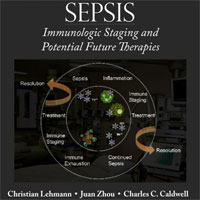
Sepsis: Staging and Potential Future Therapies
Sepsis is a life-threatening organ dysfunction caused by a dysregulated host response to infection. Variability in pathogenesis and complex pathophysiology often delay diagnosis and create significant challenges for clinical... read more
Mortality in Patients with SA-AKI Using the MIMIC-III Database
In this study, we identified critical factors influencing mortality in patients with Sepsis-Induced Acute Kidney Injury (SA-AKI) using the MIMIC-III database. The primary findings of our research, including advanced age,... read more
Fluid Management Impact on Outcomes in Sequential Extracorporeal Support
Sepsis is a life-threatening condition characterized by dysregulated inflammatory responses, often leading to multiple organ dysfunction and high mortality rates. Continuous renal replacement therapy (CRRT) and extracorporeal... read more