
Anticoagulation Reversal Strategies for Warfarin Associated Acute Gastrointestinal Bleeding
Patients who received prothrombin complex concentrate (PCC) had a threefold increase in mortality compared to fresh frozen plasma (FFP), vitamin K alone, or no reversal, even after adjusting for severity of the bleeding.... read more
Endotracheal Tube Cuff Pressure Monitoring and VAP Occurrence
This study demonstrated that maintaining endotracheal tube cuff pressure at 30 cm H2O through monitoring every 8 h did not result in a greater incidence of under-inflation (pressures ... read more
Association Between Initial Blood Product Transfusion with a Higher Plasma-to-red Blood Cell Ratio and Mortality in Adults with Severe Bleeding Following Trauma
This study demonstrates that a high fresh-frozen plasma (FFP) to packed red blood cells (PRBC) ratio (>1:1.5) is associated with reduced 24-hour and 30-day mortality rates among trauma patients with massive hemorrhage. However,... read more
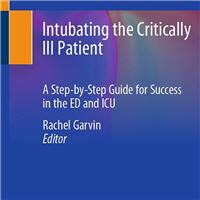
Intubating the Critically Ill Patient: A Step-by-Step Guide for Success in the ED and ICU
Intubating critically ill patients is a process that requires a well-thought-out, step-by-step plan, specific to each patient. This book teaches the steps necessary to predict, prepare, perform, and provide pre and post-intubation... read more
Hemodynamic Stabilization Using CRRT and cIVNa Combination Therapy
Compared with conventional continuous renal replacement therapy (CRRT), combination therapy of CRRT and continuous intravenous sodium infusion therapy (cIVNa) increased blood pressure, enhanced urinary volume, and reduced... read more
A Novel Mechanism for COVID-19 Related Thrombotic Events: Platelet NO/ROS Equilibrium
The finding that platelet NO/ROS production imbalance contributes to the elevated risk of thrombotic events in COVID-19 has important clinical implications. Restoration of platelet NO production, as well as attenuation... read more
Inadequate Empirical Antibiotic Therapy in VAP: Risk Factors and Outcomes
Ventilator-associated pneumonia (VAP) caused by MDR pathogens were highly likely to receive inadequate empirical antibiotic therapy. The mortality rate and intubation duration were significantly longer in inadequately treated... read more
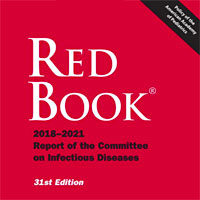
Red Book: Report of the Committee on Infectious Diseases
Extending an 8-decade tradition of excellence, Red Book® provides the most reliable and clinically useful information on the manifestations, etiology, epidemiology, diagnosis and treatment of more than 200 childhood infectious... read more
Early Acetaminophen Administration Associated with Lower Mortality Among ARDS Patients After Coronary Artery Bypass Grafting
The use of acetaminophen (APAP) at 48h after coronary artery bypass grafting (CABG)-acute respiratory distress syndrome (CABG-ARDS) was associated with lower early postoperative mortality, while shortening the length of hospital... read more
Thirst Management in Orotracheally Intubated and Mechanically Ventilated Patients
Symptom Management Theory (SMT)-based thirst management is an effective strategy. The 5 mL cold water spray method significantly reduces thirst intensity and distress in mechanically ventilated patients under fasting and... read more
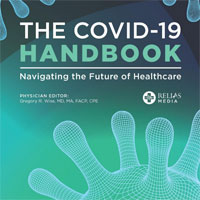
COVID-19 Handbook: Navigating the Future of Healthcare
The COVID-19 Handbook: Navigating the Future of Healthcare provides factual, evidence-based information on the coronavirus disease 2019 (COVID-19) pandemic. Presented in a concise PDF format, this valuable COVID-19 resource... read more
Serum MANF vs. Severity and Prognosis in Community-acquired Pneumonia Patients
This evidence demonstrated that serum mesencephalic astrocyte-derived neurotrophic factor (MANF) is positively associated with scoring criteria and poor prognosis in community-acquired pneumonia (CAP) patients. Serum... read more
Tocilizumab vs. IVIG in Patients with Severe COVID-19 Pneumonia
Severe COVID-19 patients who received IVIG in the early phase of the disease did not show better clinical outcomes in terms of mortality, hospitalization time and intensive care unit admission compared to those who received... read more
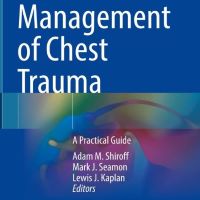
Management of Chest Trauma: A Practical Guide
75% of patients who die from trauma have injuries to the chest. The care of the chest trauma patient can be incredibly complex, require multiple specialty and sub-specialty services, and may require interventions available... read more
Holy Water Not so Holy: Potential Source of Elizabethkingia Pneumonia and Bacteremia in an Immunocompromised Host
This case report highlights that E. anophelis may indeed cause significant infection and should not be considered a contaminant especially in immunosuppressed individuals. The organism originates from water sources and may... read more
Levosimendan Role in ECMO for Refractory Cardiac Arrest
Levosimendan use in extracorporeal cardiopulmonary resuscitation (ECPR) did not improve survival. Neurological outcome could be representative of the short- and long-term outcomes. Future well-designed randomized trials... read more
Fever Management with or without a Temperature Control Device After OHCA and Resuscitation
the TEMP‐CARE trial will advance our understanding of post‐cardiac arrest care fever management strategies. With a large sample size and a broad patient population, the results of this trial will inform clinical practice... read more
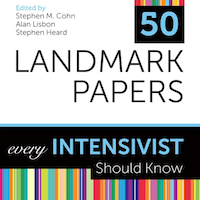
50 Landmark Papers Every Intensivist Should Know
This book identifies the key scientific articles in the field of Intensive Care and explains why these papers are important in contemporary clinical management. Identifying those influential contributors who have shaped... read more
Ventilator-associated Pneumonia Pathogenesis: Old and New Mechanisms
Ventilator-associated pneumonia (VAP), defined as a lung infection that occurs in patients after 48 hours on mechanical ventilation, is among the most frequently found nosocomial infections in intensive care units around... read more
Aminoglycosides Impact on Survival Rate and Renal Outcomes in Patients with Urosepsis
The addition of aminoglycosides to beta-lactam therapy in critically ill patients with urosepsis did not significantly improve 30-day survival. Furthermore, aminoglycosides were not associated with worse renal outcomes.... read more
Femoral Head Osteonecrosis in Post-COVID-19 Patients
This study provides an insight into the relationship between COVID-19-related factors and the development of osteonecrosis of the femoral head (ONFH), emphasizing the critical role of cumulative steroid dose as the primary... read more
Cardiac Intensive Care
Using a multidisciplinary, team-oriented approach, this unique title expertly covers all the latest approaches to the assessment, diagnosis, and treatment of patients with critical cardiac illness. Led by Dr David L. Brown,... read more