Hydration for Infants with Bronchiolitis
Bronchiolitis is the most common lower respiratory tract infection in infants and the leading cause of hospital admission. Hydration is a mainstay of treatment, but insufficient evidence exists to guide clinical practice.... read more
Impact of Vasoactive Medications on ICU-Acquired Weakness in Mechanically Ventilated Patients
In mechanically ventilated patients enrolled in a randomized clinical trial of early mobilization, the use of vasoactive medications was independently associated with the development of ICU-acquired weakness. Prospective... read more
Early Norepinephrine Has Potential for Septic Shock
Standard sepsis algorithms have suggested completing a fluid bolus before starting vasopressors in patients with septic shock, but multiple observational trials have shown an association between early vasopressor use and... read more
Physical Function Impairment in Survivors of Critical Illness in an ICU Recovery Clinic
Physical function measurement in a recovery clinic is feasible and may inform subsequent morbidity and mortality. 36 patients were seen in clinic from July 2014 to June 2015; the median SPPB score was 5 (IQR 5). The... read more
Physical Rehabilitation in the ICU
Survivors of critical illness frequently experience poor physical outcomes, including persistent impairments in muscle strength, exercise capacity and physical function. In this article, we review these impairments and... read more
Association Between Titin Loss-of-Function Variants and Early-Onset Atrial Fibrillation
In a case-control study, there was a statistically significant association between an LOF variant in the TTN gene and early-onset AF, with the variant present in a small percentage of participants with early-onset AF (the... read more
Comparison of Diagnostic Accuracy Among Procalcitonin, C-reactive protein, and Interleukin 6 for Blood Culture Positivity in General ICU Patients
Despite various technological advances, it still usually takes at least 24 to 48 h to obtain a blood culture result. The subsequent delays in diagnosis and treatment of infection can negatively impact care in the intensive... read more
Oxalate Nephropathy Following Vitamin C Intake within ICU
Compelling evidence obtained from in-vitro and animal studies suggest that vitamin C, a circulating antioxidant, may be a valuable adjunctive therapy in critically-ill patients. Data from humans are more conflicting.... read more
Evaluating Delivery of Low Tidal Volume Ventilation in Six ICUs Using Electronic Health Record Data
Despite low mean tidal volume in the cohort, a significant percentage of patients were exposed to a prolonged duration of high tidal volumes which was correlated with higher mortality. Detailed ventilator records in the... read more
Lung Recruitability in Severe ARDS Requiring ECMO
Significant variability in potential for lung recruitment in patients with severe acute respiratory distress syndrome (ARDS) requiring extracorporeal membrane oxygenation (ECMO). 47 adults with severe ARDS requiring ECMO... read more
Ineffectiveness of Procalcitonin-Guided Antibiotic Therapy in Severely Critically Ill Patients
Procalcitonin-guided (PCT) antibiotic therapy fails to decrease the mortality or length of stay (LOS) of critically ill patients with suspected or confirmed sepsis. PCT-guided cessation of antibiotic therapy could reduce... read more
The Role of the Physician Assistant in Critical Care
Since inception in the mid-1960s, the Physician Assistant (PA) profession has grown to become an integral part of healthcare delivery. As the name implies, PAs were historically seen as assistants to the physician, helping... read more
Intensive vs. Conventional Glucose Control in Critically Ill Patients
n this large, international, randomized trial, we found that intensive glucose control increased mortality among adults in the ICU: a blood glucose target of 180 mg or less per deciliter resulted in lower mortality than did... read more
Balanced Crystalloids vs. Saline in Critically Ill Adults
Among critically ill adults, the use of balanced crystalloids for intravenous fluid administration resulted in a lower rate of the composite outcome of death from any cause, new renal-replacement therapy, or persistent renal... read more
Biomarker Profiles of Coagulopathy and Alveolar Epithelial Injury in ARDS
Coagulopathy and alveolar epithelial injury were observed in both patients with direct common risk factors (dARDS) and with idiopathic or immune-related diseases (iARDS). However, their biomarker profiles were significantly... read more
Obstructive Sleep Apnea, Positive Airway Pressure Treatment and Postoperative Delirium
Obstructive sleep apnea (OSA) is common among older surgical patients, and delirium is a frequent and serious postoperative complication. Emerging evidence suggests that OSA increases the risk for postoperative delirium.... read more
Cardiovascular Dynamics in Critically Ill Patients
Although widely used among physicians and frequently present in the literature, the words "stable" and "unstable" to describe cardiovascular dynamics in critically ill patients can have different meanings to different people... read more
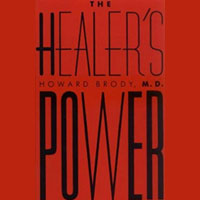
The Healer’s Power
Although the physician's use and misuse of power have been discussed in the social sciences and in literature, they have never been explored in medical ethics until now. In this book, Dr. Howard Brody argues that the... read more
Detection, Treatment of Dyspnea Inconsistent in ICU
Although the prevalence of dyspnea was at least as high as that of pain, the detection and treatment of moderate to severe dyspnea were more inconsistent than for pain among critically ill patients in the ICU, according to... read more
Adjunctive Corticosteroid Treatment in Septic Shock
Interest in the role of the adrenal cortex in the recovery from an infection dates back nearly 100 yr. More than six decades of research on the role of corticosteroid supplementation as an adjunctive treatment for sepsis... read more
Emergency Department Intubation Success With Succinylcholine vs. Rocuronium
In this large observational series, there was no association between paralytic choice and first-pass rapid sequence intubation success or peri-intubation adverse events. There were 2,275 rapid sequence intubations facilitated... read more
The Language of Kindness
Christie Watson spent twenty years as a nurse, and in this intimate, poignant, and remarkably powerful book, she opens the doors of the hospital and shares its secrets. She takes us by her side down hospital corridors to... read more