
The Vitamin C Verdict: Not a COVID-19 Mortality Fix
This systematic review and meta-analysis investigated the efficacy of Vitamin C as a treatment for COVID-19, focusing on key patient outcomes like mortality and critical care resource utilization. Objective: To determine... read more
Mechanical Ventilation in Emergency Medicine
This book discusses mechanical ventilation in emergency settings, covering the management of patients from the time of intubation until transfer to the ICU. It provides an introduction to key concepts of physiology pertinent... read more
The Sepsis Chain of Survival: Breaking the Cycle
This framework offers a systematic and adaptable approach to improving outcomes for patients with suspected sepsis. Borrowing from the successful Cardiac Arrest Chain of Survival, the Sepsis Chain emphasizes a seamless series... read more
Kidney Caution: The Polyuria Peril of Prolonged Sevoflurane in the ICU
This observational study investigated the renal impact of prolonged sevoflurane sedation in Intensive Care Unit (ICU) patients, focusing specifically on the incidence of polyuria (excessive urine output, defined as > 3000... read more
Clinical Examination Skills in the Adult Critically Ill Patient
This well-illustrated book provides detailed guidance on all aspects of physical examination in patients requiring emergency or intensive care. After an introductory section covering basic principles and the recognition of... read more
Intensivists Take the Tracheostomy Lead: The Bedside Imperative
The broader adoption of intensivist-led, bedside percutaneous dilatational tracheostomy (PDT) is the new standard of care in modern critical care. The evolution of PDT reflects the increasing procedural autonomy of intensivists... read more
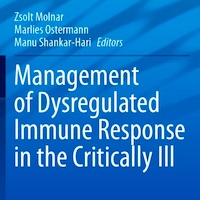
Management of Dysregulated Immune Response in the Critically Ill
This book, part of the European Society of Intensive Care Medicine (ESICM) textbook series, deals with dysregulated host response a relatively new term introduced by the Sepsis-3 definitions in 2016. In contrast to systemic... read more
Corticosteroids in ARDS: Delaying High-Dose Methylprednisolone Doesn’t Kill
This large retrospective study investigated whether starting high-dose (2 mg/kg) methylprednisolone therapy after 14 days of Acute Respiratory Distress Syndrome (ARDS) onset increased the risk of complications or mortality... read more
Dexmedetomidine’s ICU Advantage: Faster Exit, Longer Stay?
This updated meta-analysis compared the outcomes of using dexmedetomidine versus other standard sedatives in mechanically ventilated patients with sepsis. Objective: To synthesize recent evidence (2020–2025) from Randomized... read more
Voice Breakthrough: Bringing Speech Back to Ventilator Patients
This retrospective cohort study investigated the safety and success of placing a speaking valve in-line with the mechanical ventilator circuit for critically ill, tracheostomized patients who struggled to wean from the ventilator. Study... read more
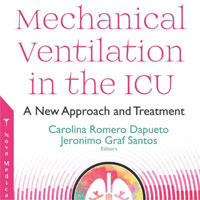
Mechanical Ventilation in the ICU: A New Approach and Treatment
In the present book, a broad description of the processes carried out in patients with mechanical ventilation in the ICU is made. It covers from an overview of mechanical ventilation and some of its history to the processes... read more
NAC Dosing Dilemma: Balancing Better Outcomes with Higher Costs in Pneumonia
This study performed a cost-effectiveness analysis comparing the use of two versus three dosage forms of N-acetylcysteine (NAC) as an adjunctive mucolytic therapy for ICU patients with pneumonia. Study Summary and Key... read more
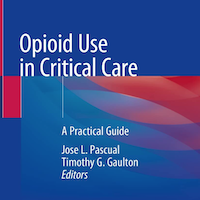
Opioid Use in Critical Care: A Practical Guide
This book provides a concise yet comprehensive overview on the use of opioids in the ICU, offering practical, real-world recommendations on opioid utilization and alternative therapies. The text explains the physiology... read more
The Sepsis Tightrope: Tracking Antibiotic Levels to Hit the Sweet Spot in the ICU
This prospective, observational study examined the beta-lactam antibiotic concentrations in the crucial first 48 hours of treatment for patients with community-acquired sepsis in the Intensive Care Unit (ICU). The study... read more
Brain Imaging Reveals Hidden Awareness in Critically Ill ICU Patients
This study investigated covert awareness—preserved consciousness without observable behavioral signs—in critically ill patients with acute brain injuries in the Intensive Care Unit (ICU). Researchers used functional... read more
Predicting Transfusion Risks to Power Safer Blood Management
This systematic review analyzed the use of Artificial Intelligence (AI) models over the past decade in identifying and predicting Adverse Transfusion Reactions (ATRs) and their implications for clinical management. The... read more
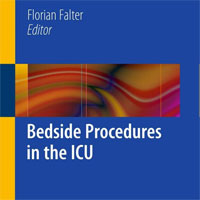
Bedside Procedures in the ICU
This handbook is a guide to best practice in interventions commonly encountered in the ICU. It is clinically orientated providing step-by-step explanations and illustrations of most invasive procedures, check lists to make... read more
The Hidden Danger of Insufficient Sedation in ARDS
This prospective observational study highlights a critical issue in the Intensive Care Unit (ICU): a substantial number of patients with Acute Respiratory Distress Syndrome (ARDS) receiving continuous neuromuscular blockade... read more
Hemodynamics: The Key to Noninvasive Ventilation (NIV) Success
This large multicenter observational study found that hemodynamic instability—defined as needing vasopressor support within 24 hours of starting NIV—was linked to a significantly higher risk of NIV failure. The crucial... read more
VIS to Win: Predicting Mortality After Infective Endocarditis Surgery
This study explored the predictive power of the Vasoactive-Inotropic Score (VIS) in patients who underwent valve replacement surgery for infective endocarditis (IE). The key finding is that the VIS is a strong and superior... read more
AI Alert: Machine Learning Predicts Septic Shock Early in the ICU
This study developed and successfully validated a machine learning (ML) model designed to provide an early prediction of septic shock in intensive care unit (ICU) patients diagnosed with sepsis. Best Performer: Out of... read more
AI Reinforcement Learning Slashes Kidney Injury Risk After Surgery
This study explored the use of Reinforcement Learning (RL)-a type of artificial intelligence—to personalize hemodynamic management (managing blood flow and pressure) in the intensive care unit (ICU) immediately following... read more