
Tag: infection
Endotoxin Role in Septic Shock
Septic shock can be caused by a variety of mechanisms including direct effects of bacterial toxins such as endotoxin. Annually, approximately 5–7 million patients worldwide develop sepsis with very high endotoxin activity... read more
Simple Blood Test Indicating Sepsis Relapse
Sepsis is often not adequately diagnosed at the early stage when it could still be potentially avoidable. In this report, we describe the dramatic hematological changes found in the blood of a sepsis survivor just after discharge... read more
Levels of Intensive Care vs. In-Hospital Mortality in Patients Hospitalized for Sepsis Stratified by SOFA
Patients hospitalized for sepsis with Sequential Organ Failure Assessment (SOFA) scores greater than or equal to 6 in the ICU or HDU had lower in-hospital mortality than those in the general ward, as did those with SOFA scores... read more
Enteral Citrulline Supplementation vs. Placebo in Mechanically Ventilated Patients
Among mechanically ventilated ICU patients without sepsis or septic shock, enteral L-citrulline administration did not result in a significant difference in SOFA score on day 7 compared to placebo. Of 120 randomized patients... read more
Acute Undifferentiated Fever with Thrombocytopenia: Clinical and Etiological Profile
Prompt recognition and management of thrombocytopenia in acute undifferentiated fever are vital. Thrombocytopenia, along with organ dysfunction and shock, significantly influence patient outcomes. Tailored interventions based... read more
Microbial Endocrinology: Interkingdom Signaling in Infectious Disease and Health
This new edition highlights the numerous advances made in the field of microbial endocrinology over the last five years. Prominent among these new topics featured is the emergence of the microbiota-gut-brain axis and the... read more

Estimating Seroprevalence of COVID-19 Infection After Omicron Outbreak
This study aimed to investigate the seroprevalence of severe acute respiratory syndrome-coronavirus-2 (SARS-CoV-2) antibodies among individuals aged 18 years and older. Population-based study was conducted within the Arizona... read more
Sepsis Prediction Model for Determining Sepsis vs. SIRS, qSOFA, and SOFA
In this cohort study of 60,507 hospital admissions, we found that although the SPM marginally outperformed existing prediction scores in balanced accuracy for classification of sepsis, it suffers from poor timeliness, limiting... read more
Ferroptosis and Pyroptosis Signatures in Critical COVID-19 Patients
Critical COVID-19 patients admitted to the intensive care unit (ICU) frequently suffer from severe multiple organ dysfunction with underlying widespread cell death. Ferroptosis and pyroptosis are two detrimental forms... read more
Blood Purification for Adult Patients with Sepsis
Our network meta-analysis (NMA) suggests that plasma exchange and polymyxin-B hemoperfusion may provide potential benefits for adult patients with severe infection or sepsis/septic shock when compared with standard care alone,... read more
Staphylococcus Epidermidis Infections Linked to ICU Septic Shocks
Bloodstream infections caused by Staphylococcus epidermidis (SE-BSI) may lead to septic shock in patients admitted to intensive care unit (ICU), according to a study. For the study, researchers looked at a retrospective... read more
Cluster of Carbapenemase-Producing Carbapenem-Resistant Pseudomonas Aeruginosa Among ICU Patients
Treatment of carbapenemase-producing carbapenem-resistant Pseudomonas aeruginosa (CP-CRPA) infections is challenging because of antibiotic resistance. CP-CRPA infections are highly transmissible in health care settings because... read more
Effect of Antimicrobial De-escalation Strategy on 14-day Mortality Among ICU Patients
The prevalence of antimicrobial de-escalation (ADE) strategy was low among intensive care unit patients. The ADE strategy demonstrated a protective effect or no adverse effect on 14-day mortality compared to the No Change... read more
Balloon-Blowing Exercise Effect on Oxygen Saturation in COVID-19 Patients
Balloon therapy is an empirical example that patients with respiratory tract diseases can use to improve their daily care. The diaphragm and ribs are expanded and raised by the intercostal muscles, which are activated during... read more
Risk Factor for Superimposed Nosocomial BSI in Hospitalized COVID-19 Patients
Unmodified risk variables for nosocomial bloodstream infections (BSIs) included male sex and leukocytosis at admission. Using methylprednisolone and obtaining a cumulative dosage of dexamethasone were adjusted risk variables... read more
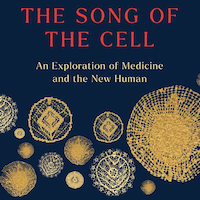
The Song of the Cell: An Exploration of Medicine and the New Human
In the late 1600s, Mukherjee sets the stage for an extraordinary tale. It revolves around two notable individuals: Robert Hooke, a renowned English polymath, and Antonie van Leeuwenhoek, an eccentric Dutch cloth-merchant.... read more
Choosing Wisely Interventions to Reduce Antibiotic Overuse
These real-world multicomponent interventions responding to physician pay-for-performance (P4P) incentives were associated with substantial reductions in antibiotic prescriptions for acute respiratory tract infections (ARTIs)... read more
Increased Fungal Infections Hospitalizations during COVID-19
An examination of a large healthcare database in the United States revealed a significant rise in hospitalization rates related to fungal infections between 2019 and 2021. This increase was primarily driven by hospitalizations... read more
Rapid Sepsis Tests Using Magnetic Nanoparticles
Qun Ren, an Empa researcher, and her team are currently developing a diagnostic procedure that can rapidly detect life-threatening blood poisoning caused by staphylococcus bacteria. Staphylococcal sepsis is fatal in up... read more
Biggest AMR dilemma: to give, or not to give antibiotics?
Sepsis (a dysregulated reaction of the body to infection with 50 million cases per year) must be treated with antibiotics as soon as it is suspected — ideally, within the first hour. Antibiotics are thus easily administered... read more
Marburg Virus Disease Outbreaks in Equatorial Guinea and Tanzania
The Centers for Disease Control and Prevention (CDC) is issuing this Health Alert Network (HAN) Health Advisory to inform clinicians and public health departments in the United States about two confirmed outbreaks of Marburg... read more
Antifungal Stewardship in Critically Ill Patients
Antifungal stewardship (AFS) can improve performance measures and decrease antifungal consumption, with no negative impact on outcomes. β-D-glucan (BDG) are helpful to stop unnecessary treatment in patients with IC,... read more