
Delirium Prevention in the ICU: Melatonin or Ramelteon
Melatonin modulates the circadian rhythm and has been studied as a preventive measure against the development of delirium in hospitalized patients. Such an effect may be more evident in patients admitted to the ICU, but findings... read more
Early Identification of Intra-abdominal Infection and Sepsis
This case report illustrates the ability of the novel biomarker pancreatic stone protein (PSP) concentrations to act as a warning sign, allowing the early identification of intra-abdominal infection and post-operative peritonitis... read more
Higher Protein Dosing in Critically Ill Patients with High Nutritional Risk
Delivery of higher doses of protein to mechanically ventilated critically ill patients did not improve the time-to-discharge-alive from hospital and might have worsened outcomes for patients with acute kidney injury (AKI)... read more
Delphi Approach to 5-level Priority Triage Systems
This study proposes a standard of 49 outcomes divided into two sets tied to red and orange priority respectively, to be used when evaluating 5-level priority triage systems; Lund Outcome Set for Evaluation of Triage (LOSET).... read more
Predicting Readmission or Death After Discharge From the ICU with Machine Learning
In this era of expanding availability of ML models, external validation and retraining are key steps to consider before applying machine learning (ML) models to new settings. Clinicians and decision-makers should take... read more
Rising Mortality in COVID-19 Patients Supported With ECMO
We aimed to describe practice patterns and outcomes in patients with extracorporeal membrane oxygenation (ECMO) support throughout the coronavirus 2019 (COVID-19) pandemic, with the hypothesis that mortality would improve... read more
Increased Risk of Hospitalization in Celiac Disease with COVID-19 Infection Is Mitigated by Vaccination
Celiac disease (CD) patients with COVID-19 have a higher risk of hospitalization compared with non-CD referents. This risk is mitigated by vaccination in CD patients as it is in non-CD referents. ICU requirement occurred... read more
Ultrasound-Guided Infraclavicular Axillary Vein vs. Internal Jugular Vein Cannulation in Critically Ill Mechanically Ventilated Patients
No difference was found between the real-time ultrasound-guided out-of-plane cannulation of the IJV and the infraclavicular real-time ultrasound-guided in-plane cannulation of the AXV. Both techniques are equally efficient... read more
Early evaluation of heart rate variability can predict the outcome of patients in the ICU
The study evaluated the use of heart rate variability (HRV) to predict the outcome of patients in the ICU. HRV is a way to evaluate the cardiac effects of the autonomic nervous system, and a relation between HRV and outcome... read more
A Young Doctor’s Perspective Was Forever Changed by ICU Experience
A healthy 30-year-old doctor had an unexpected medical emergency while preparing for a procedure, which led to the discovery of a small hemorrhage in her dorsal brainstem. She was transferred to the neuro ICU and experienced... read more
Acute Effects of Ketamine on ICP in Children With Severe TBI
In this retrospective, exploratory study, intracranial pressure (ICP) did not increase following ketamine administration. In the setting of a guidelines-based protocol, ketamine was associated with a reduction in ICP during... read more
Baricitinib or Tocilizumab for Severe COVID-19 Treatment
Pharmacologic treatment of COVID-19 has continued to evolve since the onset of the pandemic, and yet many questions remain about optimal treatment. Medicine strives to provide evidence-based guidance on treatments, but... read more
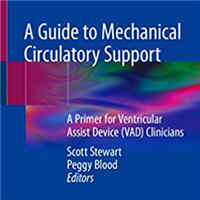
A Guide to Mechanical Circulatory Support: A Primer for Ventricular Assist Device (VAD) Clinicians
This unique book details a multidisciplinary approach for providers caring for the Mechanical Circulatory Support (MCS) patient. Authors discuss the history of MCS, patient selection, surgical and post-operative care, mobility... read more
6 Days Higher-Dose Ivermectin vs. Placebo on Time to Sustained Recovery in COVID-19 Outpatients
Among a largely vaccinated outpatient population with mild to moderate COVID-19, treatment with ivermectin, with a targeted maximum dose of 600 μg/kg daily for 6 days, compared with placebo was not shown to improve time... read more
I Was a Doctor Through COVID. Then One Case Pushed Me Over the Edge
On some days I can almost forget that COVID ever happened. The old rhythms of the ICU at University College London, where I am a consultant in critical care and anesthesia, have returned. The bed pressures, the worrying cases,... read more
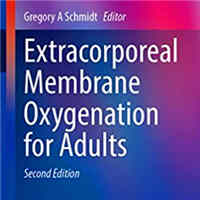
Extracorporeal Membrane Oxygenation for Adults (Respiratory Medicine)
This new edition presents an evidence-based review of extracorporeal membrane oxygenation (ECMO) for adults, with a particular focus on veno-venous (VV) ECMO. Due to the dramatic impact of COVID-19, the number of institutions... read more
The effect of a multi-faceted quality improvement program on paramedic intubation success in the critical care transport environment
A multi-faceted advanced airway management (AAM) quality improvement program (QIP) resulted in statistically significant increase in intubation first pass success rates (FPS) rates and a non-significant improvement in DASH-1A... read more
Intracranial Pressure: Current Perspectives on Physiology and Monitoring
Intracranial pressure (ICP) monitoring is now viewed as integral to the clinical care of many life-threatening brain insults, such as severe traumatic brain injury, subarachnoid hemorrhage, and malignant stroke. It serves... read more
Trauma Group Publishes Action Plan, Makes Data Available for Secondary Analyses
The American College of Surgeons (ACS) has long advocated for the creation of a US National Trauma System to improve quality of care, decrease inequities, and save lives as one of its top legislative priorities, part of which... read more
Neuromonitoring in the Neonatal ECMO Patient
Utilization of extraocorporeal membrane oxygenation (ECMO) has become increasingly widespread as a bridging therapy for neonates with severe, reversible respiratory or cardiac diseases. While significant risks remain, due... read more
ECMO Retrieval Program Foundation
This book should represent a guideline for launching an extracorporeal membrane oxygenation (ECMO) program. It describes in detail particularities and special features of planning, setting up, developing, structuring and... read more
Life Lessons After a Career in Intensive Care Medicine
I have spent the past 30 years working in intensive care medicine. I was drawn to intensive care as a trainee for several reasons. First, I enjoyed the opportunity to care for the sickest patients in the hospital and to use... read more