
Medical Nutrition Therapy and Clinical Outcomes in Critically Ill Adults
Calorie intake was mainly provided according to the targets recommended by the active ESPEN guideline, but protein intake was lower. In patients staying in ICU ≥ 5 days, early moderate daily calorie and protein intakes... read more
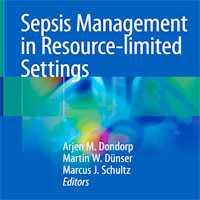
Sepsis Protocols to Reduce Mortality in Resource-restricted Settings
Simplified sepsis protocols are essential to improving sepsis-related mortality rates in resource-restricted settings, but adequate training of clinicians and modified protocols are necessary for successful implementation. Six... read more
Disposable Hospital Gowns May Pose Infection Risk
Disposable gowns designed to deflect the splatter of bodily fluids, used in thousands of U.S. hospitals, have underperformed in recent and ongoing laboratory tests and may fall short of safety standards, leaving health care... read more
Lower vs. Higher Oxygenation Targets in ICU Patients with Severe Hypoxemia
Among adult ICU patients with severe hypoxemia, a lower oxygenation target (8 kPa) did not improve survival or HRQoL at 1 year as compared to a higher oxygenation target (12 kPa). We obtained 1‑year vital status for... read more
Prevalence of PICS in Mechanically Ventilated Patients with COVID-19
Coronavirus disease 19 (COVID-19) patients usually require long periods of mechanical ventilation and sedation, which added to steroid therapy, favours a predisposition to the development of delirium and subsequent mental... read more
The Mysterious Vanishing of MIS-C
Whilst the overwhelming majority of Covid-19 infections in healthy children are mild or asymptomatic, the serious risk which remained was of the hyperinflammatory syndrome known as MIS-C (Multi-system Inflammatory Syndrome... read more
Management of RV-Predominant Heart Failure and Shock in the Cardiac ICU
Cardiogenic shock from left ventricular failure is a common presentation in the intensive care unit. In contrast, right ventricular (RV)-predominant heart failure (HF) causing shock is less well recognized. We review... read more
Multiple Organ Dysfunction in Older Major Trauma Critical Care Patients
Frailty rather than chronological age appears to drive multiple organ dysfunction syndrome (MODS) development, recovery, and outcome in older cohorts. Early identification of frailty after trauma may help to predict MODS... read more
Arterial Carbon Dioxide and Acute Brain Injury in VA-ECMO
Acute brain injury (ABI) occurs frequently in patients receiving venoarterial extracorporeal membrane oxygenation (VA-ECMO). We examined the association between peri-cannulation arterial carbon dioxide tension (PaCO2) and... read more
Nasal High-Flow Therapy during Neonatal Endotracheal Intubation
Among infants undergoing endotracheal intubation at two Australian tertiary neonatal intensive care units, nasal high-flow therapy during the procedure improved the likelihood of successful intubation on the first attempt... read more
New WHO Toolkit Focuses on Severe Acute Respiratory Infection
During the early months of the pandemic, it became imperative to share best practices for the care and treatment of patients with SARS CoV-2. This new infectious agent, with potentially new pathogenesis and an unprecedented... read more
Closed-loop oxygen control improves oxygen therapy in AHRF patients under high flow nasal oxygen
Closed-loop oxygen control improves oxygen administration in patients with moderate-to-severe AHRF treated with HFNO, increasing the percentage of time in the optimal oxygenation range and decreasing the workload of healthcare... read more
Pericarditis and Myocarditis in the ED
Chest pain is one of the most common presentations to the emergency department (ED) and includes a wide differential diagnosis. In today’s post, we will review a less common cause of chest pain seen in the ED: pericarditis... read more
Tranexamic Acid in Gastrointestinal Bleeding
Extended-use high-dose IV tranexamic acid does not improve mortality or bleeding outcomes and increases adverse events. Low-dose/enteral tranexamic acid may be effective in reducing hemorrhage; more evidence is required to... read more
Practical Issues Updates in Anesthesia and Intensive Care
This book describes the state of the art concerning some of the most hotly debated topics in anesthesia and intensive care and is at the same time intended to serve as a useful practical guide that will assist in improving... read more
Critically Unwell Child Intubation in the ED
Intubation in the pediatric emergency department is scary stuff. For critically ill children who require intubation, it is rarely practiced outside of the critical care unit. With the centralization of services there are... read more
Hydroxychloroquine Not Associated With Decreased Risk for COVID-19 Hospitalization
Results of a multicenter, double-blinded, randomized controlled trial found no evidence to support the use of hydroxychloroquine for COVID-19 infection in the outpatient setting. These findings were published in The Lancet... read more
Patients Monitored Using Wearable Monitors Experienced Fewer Unplanned ICU Admissions
Implementation of continuous monitoring of patient vital signs using wearable monitoring technology linked wirelessly to hospital systems was associated with a reduction in unplanned ICU admissions and rapid response team... read more
Voiceless Patients in ICU Regard High-tech AAC Devices As Useful
Although the existing evidence is limited, voiceless patients regard augmentative and alternative communication (high-tech AAC) devices as a useful, reliable, and acceptable alternative communication choice in the ICU. Multicenter,... read more
Majority of Family Members of COVID-19 Patients Treated in the ICU Report PTSD Symptoms
A majority of family members of COVID-19 patients treated in ICUs reported significant symptoms of post-traumatic stress disorder in the following months, according to a study published Monday that sheds new light on the... read more
Setting up a Rescue ECLS Program
Extracorporeal life support (ECLS) is a high-risk, lifesaving medical treatment that is typically limited to centers that can support a comprehensive ECLS program. Rescue programs can bridge the gap in care between ECLS centers... read more
Standardized Data Collection in Prehospital Critical Care
The medical problems categorized by HEMS personnel can be seen as valid. The greatest challenges remain in the classification of stroke and other neurological emergencies. Patients treated by HEMS personnel are characterized... read more