
Impact of Mobilization on Vital Signs and Oxygen Saturation in Open-Heart Surgery
Early and frequent mobilization did not cause vital signs and oxygen saturation to deviate from normal limits in open-heart surgery patients. The difference between pulse and systolic blood pressure values measured before... read more
Post COVID-19 and Patients with and without Pre-existing ILD
A lot remains to be learned about the long-term effects of patients with interstitial lung disease (ILD) who survive COVID-19 infections. Clinicians need to better understand and recognize the effects of post-COVID 19 lung... read more
Facemask vs. Helmet – Noninvasive Ventilation
We use Noninvasive ventilation (NIV) to treat various disease processes, such as acute hypercapnic and hypoxemic respiratory failure, post-extubation failure, and neuromuscular diseases. Data supports NIV use in some conditions,... read more
High Flow Nasal Oxygen: A Rising Star Waiting To Be Discovered
High flow nasal oxygen therapy (HFNO2) is gaining popularity of late and rapidly recognised as new oxygen therapy in the treatment of respiratory failure, and the fame exploded exponentially after the COVID-19 pandemic. HFNO2... read more
Risk Factors for Severe COVID-19 in Children
Results identify children at potentially higher risk of severe disease who may benefit from COVID-19 prevention efforts, including vaccination. Rates of severe COVID-19 establish a baseline for monitoring changes in pediatric... read more
Mortality and Clinical Characteristics of MIS-C Associated with COVID-19
The clinical presentation and severity of Multisystem Inflammatory Syndrome in Children associated with COVID-19 (MIS-C) is widespread and presents a very low mortality rate in high-income countries. This research describes... read more
Effectiveness of Therapeutic Heparin vs. Prophylactic Heparin on COVID-19 Patients
In moderately ill patients with covid-19 and increased D-dimer levels admitted to hospital wards, therapeutic heparin was not significantly associated with a reduction in the primary outcome but the odds of death at 28 days... read more
Pandemic Triggers Mass Exodus of Critical Care Nurses
Australian hospitals are experiencing a mass exodus of experienced critical care nurses as the COVID-19 pandemic stretches healthcare workers unlike ever before, prompting medical colleges to warn of a workforce crisis. Australian... read more
Inhaled Pulmonary Vasodilator Therapy in Adult Lung Transplant
Among patients undergoing LT, use of iEPO was associated with similar risks for PGD-3 development and other postoperative outcomes compared with the use of iNO. A total of 201 randomized patients met eligibility criteria... read more
Dynamic Delirium Severity Trajectories and Healthcare Utilization
This secondary analysis did not identify a significant relationship between delirium severity trajectories and healthcare utilization or mortality within 2 years of hospital discharge. The overall sample (n = 431) had... read more
Anti-interleukin Drugs Effect on COVID-19 Patients
Drugs targeting IL-1 or IL-6 did not shorten the time to clinical improvement in this sample of patients with COVID-19, hypoxic respiratory failure, low SOFA score, and low baseline mortality risk. Between April 4, and... read more
Weaning Methods From Mechanical Ventilation in Adult Patients
In general consideration, our study provided evidence that weaning with proportional assist ventilation has a high probability of being the most effective ventilation mode for patients with mechanical ventilation regarding... read more
The Exciting Future of Our Physical Exam with POCUS
Point-of-care ultrasound (POCUS) is the natural progression of what Laennec started over 200 years ago, a tool he would undoubtedly add to his diagnostic repertoire were he able to, as he did with Auenbrugger’s percussion... read more
Optimizing Critical Illness Recovery: Perspectives and Solutions From the Caregivers of ICU Survivors
This qualitative, multicenter, international study of caregivers of critical illness survivors identified consistently unmet needs, means by which caregivers accessed support post ICU, and several care mechanisms identified... read more
Head Rotation in Anaesthetised Apnoeic Patients Significantly Increases Mask Ventilation Efficiency
Head rotation of 45° in anaesthetised apnoeic adults significantly increases the efficiency of mask ventilation compared with the neutral head position. Head rotation is an effective alternative to improve mask ventilation... read more
Vasopressin and Methylprednisolone vs Placebo on Return of Spontaneous Circulation in Patients With In-Hospital Cardiac Arrest
Among patients with in-hospital cardiac arrest, administration of vasopressin and methylprednisolone, compared with placebo, significantly increased the likelihood of return of spontaneous circulation. However, there is uncertainty... read more
Ivermectin Not the Crisis It’s Claimed to Be
I can't remember any time when the U.S. Food and Drug Administration had to resort to the faux-folksy mode of expression to try to get its point across. We live in strange times. The FDA was responding, of course, to the... read more
Use of Hemoadsorption in Patients With Severe Intoxication Requiring ECMO
Drugs intoxications often lead to severe vasoplegia and cardiogenic shock, and VA-ECMO represents a viable therapy option. However, as cardiopulmonary support is not contributing to the removal of the causal agent from the... read more
SARS–CoV–2 Spike Impairs DNA Damage Repair and Inhibits V(D)J Recombination In Vitro
Severe acute respiratory syndrome coronavirus 2 (SARS–CoV–2) has led to the coronavirus disease 2019 (COVID–19) pandemic, severely affecting public health and the global economy. Adaptive immunity plays a crucial role... read more
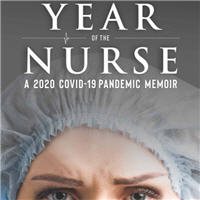
Year of the Nurse: A 2020 Covid-19 Pandemic Memoir
This book is for everyone, nurse or otherwise, who is furious about how 2020 went down and how 2021 is going. #1 Amazon Bestseller in Critical & Intensive Care Nursing #1 Amazon Bestseller in Mental Health Nursing #1... read more
Endothelial Glycocalyx Degradation Contributes to Metabolic Acidosis in Children After Cardiopulmonary Bypass Surgery
Our data show that metabolic acidosis (increased strong ion gap) is associated with plasma concentration of heparan sulfate, a negatively charged glycosaminoglycan cleaved from the endothelial glycocalyx during cardiopulmonary... read more
Critical Illness in Patients with Hematologic Malignancy
Critical illness in patients with a newly diagnosed hematologic malignancy is frequent, occurring early after diagnosis. Certain baseline characteristics can help identify those patients at the highest risk. A total of... read more