
Tag: ICU
Prophylactic IV Antibiotics Outcomes in Patients with Acute Severe Brain Injury on Mechanical Ventilation
Among critically ill patients with acute brain injury, prophylactic IV antibiotics were associated with less VAP but not with changes in length of stay, mortality, or neurologic outcomes. Patients with structural brain... read more
TNF-α, PCT, IL-8, and HBP Prognostic Value Combined with APACHE II Score in Sepsis Patients
Serum TNF-α, PCT, IL-8, and HBP levels influenced sepsis patient prognosis, and their combined detection with APACHE II score provided a high predictive value for patient outcomes. Patients were divided into sepsis and... read more
Association Between Ketamine Use and Mortality in Critically Ill Patients Receiving Mechanical Ventilation
In this retrospective study, we observed that younger patients with acute respiratory distress syndrome (ARDS) may benefit from ketamine use in terms of 14-day mortality. However, these benefits were not observed in longer-term... read more
Accurate Percutaneous Tracheal Tube Placement Using Visual-Guided Transillumination Method
The novel Illuminated Tracheal Alignment Guide (iTAG) device and technique is the first of our knowledge to test the identification of tracheostomy sites by way of laser-guided transillumination. We believe this device... read more
Predicting Renal Outcomes in Cardiac Surgery Using Intraoperative Renal Near-Infrared Spectroscopy Monitoring
This study shows that intraoperative monitoring of near-infrared spectroscopy (NIRS) values and monitoring of critical thresholds may be an important tool in predicting the development of acute renal failure (ARF) and other... read more
Peritoneal Dialysis in AKI: 20 Years of Experience at a Single Center
Peritoneal dialysis (PD) may be an effective solution for acute kidney injury (AKI) patients, allowing adequate metabolic and fluid control. Age, APACHE score, hepatorenal syndrome and dropout from PD were associated... read more
Flow Control Ventilation in ICU
Flow control ventilation is an innovative technique of mechanical ventilation with a potentially lung protective characteristics. The constant inspiratory and expiratory flow, no ventilation pauses, and inspiration to... read more
Dexmedetomidine for Sedation in Pediatric ICU
Audit shows compliance to the standards were not met. A third of the patients required higher doses of up to 2 micrograms/kg/hour of dexmedetomidine. Studies have supported the safety of higher doses of up to 2 micrograms/kg/hour.2... read more
Imaging the ICU Patient
Work in intensive care is dynamic and often requires swift decision-making to achieve the best patient outcome. This book serves as a practical guide for professionals working in this demanding area of medicine. It reviews... read more
ICU-acquired Weakness: Critical Illness Myopathy and Polyneuropathy
Critical illness myopathy (CIM) and critical illness polyneuropathy (CIP) are significant complications in intensive care unit (ICU) patients, first identified in the late 20th century. These conditions often present... read more
Weaning Failure From Mechanical Ventilation
Ultrasound is a useful tool for identifying weaning failure from cardiovascular, diaphragmatic, respiratory, and airway origin. The strengths of our scoping review lie in its comprehensive approach to synthesizing diverse... read more
Peripheral and Respiratory Muscle Weakness and Functional Impairments in ICU Patients
This study demonstrated that patients discharged from ICU in this resource-constrained setting presented with peripheral and respiratory muscle weakness at unit discharge. Muscle weakness occurred despite a short ICU... read more
Massive Pulmonary Embolism with Clot in Transit Using Fluoroscopic and Transthoracic Echocardiographic-Guided Large-Bore Mechanical Thrombectomy
Massive pulmonary embolism (PE) is a life-threatening condition caused by the obstruction of pulmonary arteries requiring precise and timely intervention to prevent mortality. Clots in transit (CIT), which are thrombi... read more
Extubation in the Operating Room After Elective On-pump CABG Surgery
Although immediate extubation in the operating room following on-pump coronary artery bypass graft (CABG) surgery did not show significant differences in ICU or hospital length of stay (LOS), mortality, or ICU readmission... read more
Cytomegalovirus Infection Adverse Impact on ICU Outcomes in COVID-19 Patients
In critically ill patients with SARS-CoV-2 pneumonia, cytomegalovirus (CMV) infection was frequently observed, and associated with increased ICU and hospital mortality. CMV co-infection correlated with a higher incidence... read more
NIV Effectiveness in Critical Patients with ARF and Do Not Intubate Order
The prevalence of do-not-intubate (DNI) order was frequent in patients with acute respiratory failure (ARF) admitted to the ICU, being related to age, comorbidity, frailty and the underlying disease. non-invasive ventilation... read more
Prophylactic NIV Effects on Weaning
The use of prophylactic non-invasive ventilation (NIV) reduced reintubation rates, ICU and hospital length of stay (LOS), and mortality. These findings support the recommendation for its use in daily practice. Rescue... read more
The Association Between Pain, Analgesia, and Delirium in Critically Ill Adults
We observed an association between pain and incident delirium among critically ill adults. Exposure to morphine or fentanyl (but no other pain medications) was associated with increased risk of delirium occurrence. From... read more
Using AI to Detect and Treat Delirium
The prevention of delirium in ICU represents a major unmet need because of its high prevalence, under-diagnosis, and independent association with adverse outcomes including higher mortality and accelerated cognitive decline.... read more
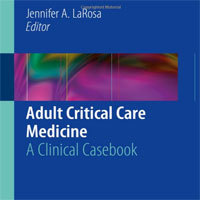
Adult Critical Care Medicine
This clinical casebook provides a comprehensive yet concise state-of-the-art review of adult critical care medicine. Presented in a case-based format, each case focuses on a scenario commonly encountered with an adult patient... read more
Ventilation Practices in ABI Patients and Association with Outcomes
Current mechanical ventilation practices for patients with acute brain injury (ABI) are poorly defined. This study aimed to describe ventilator settings/parameters used in intensive care units (ICUs) and evaluate their association... read more
Standard vs. Double Dosing of Beta-lactam Antibiotics in Critically Ill Sepsis Patients
The BULLSEYE trial is a randomized controlled study designed to enhance the treatment of critically ill patients with septic shock. The concept of administering higher and double doses of beta-lactams in such patients... read more