
Anticoagulation Post-Discharge in Patients Hospitalized Secondary to COVID-19
This study contains interesting data that could contribute to the standard of practice when treating patients after hospitalization for COVID-19. However, use caution when applying the results of this study. Several problems... read more
Estimated and Measured Post-tetanic Count Effect
Comparison of two pharmacokinetic–pharmacodynamic models of rocuronium bromide during profound neuromuscular block. Our findings indicate that using plasma concentrations of rocuronium bromide estimated with either of... read more
Cluster ICU Treatment Strategies for TBI by Hospital Treatment Preferences?
Although correlations between treatment policies within domains were found, the failure to cluster hospitals indicates that a specific treatment choice within a domain is not a proxy for other treatment choices within or... read more
Adult Sepsis Hospitalization and Risk of Subsequent Cardiovascular Events
Adult sepsis survivors experience an increased hazard of major cardiovascular events compared to survivors of a non-sepsis hospitalization. 254,241 adult sepsis survivors were matched to adult survivors of non-sepsis hospitalization... read more
Percutaneous vs. Surgical Cannulation for Femoro-Femoral VA-ECMO in Cardiogenic Shock Patients
Compared with surgical cannulation, percutaneous cannulation was independently associated with lower in-hospital mortality and fewer complications. Among 12,592 patients meeting study inclusion, 9,249 (73%) underwent percutaneous... read more
Defining COVID-19 Associated Pulmonary Aspergillosis
The reported prevalence of CAPA in ICU patients with COVID-19 varies greatly by study and may be related to surveillance protocols and inconsistent definitions which may inflate the prevalence of this complication. Further... read more
Inflammatory and Immunosuppressive Responses to COVID-19 and Bacterial Sepsis
Bacterial sepsis patients had early, severe inflammation, profound immune suppression, and life-threatening organ dysfunction that resolved over time; SARS-CoV-2 patients had less severe early inflammation and organ dysfunction... read more
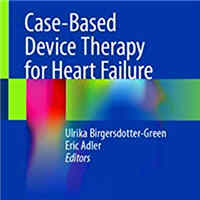
Case-Based Device Therapy for Heart Failure
This book provides a comprehensive practical guide to the plethora of devices that have been developed to support the failing heart. It features easy to follow clinically relevant guidance on mechanical devices used for improving... read more
Predicting Sepsis Severity at First Clinical Presentation
The severity and endotype signatures indicate that distinct immune signatures precede the onset of severe sepsis and lethality, providing a method to triage early sepsis patients. Gene expression signatures were obtained... read more
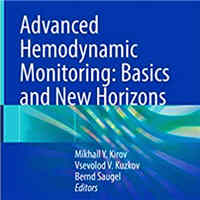
Advanced Hemodynamic Monitoring: Basics and New Horizons
This book describes how to monitor and optimize cardiovascular dynamics using advanced hemodynamic monitoring in perioperative and intensive care medicine. The book outlines basic skills of hemodynamic monitoring, different... read more
Resuscitation Using ECPR During In-Hospital Cardiac Arrest Mortality Prediction Score
The RESCUE-IHCA score can be used by clinicians in real time to predict in-hospital death among patients with in-hospital cardiac arrest (IHCA) who are treated with extracorporeal cardiopulmonary resuscitation (ECPR). A... read more
Intravenous Vitamin C Administration to Septic Shock Patients
Our pilot study indicated that intravenous vitamin C did not provide significant decreases in the mean dose or duration of vasopressor infusion. Further research that takes into account the potential impact of intervention... read more
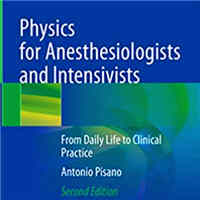
Physics for Anesthesiologists and Intensivists: From Daily Life to Clinical Practice
This book, now in its 2nd edition, discusses, explains and provides detailed, up-to-date information on physics applied to clinical practice in anesthesiology and critical care medicine, with the aid of simple examples from... read more
Physiologically Difficult Airway Evaluation
Multiple international airway societies have created guidelines for the management of the difficult airway. In critically ill patients, there are physiologic derangements beyond inadequate airway protection or hypoxemia.... read more
ARDS Subphenotypes Validation and Utility Identified by Machine-learning Models
Classifier models using clinical variables alone can accurately assign ARDS subphenotypes in observational cohorts. Application of these models can provide valuable prognostic information and could inform management strategies... read more
Long-term Cardiovascular Outcomes of COVID-19
The cardiovascular complications of acute coronavirus disease 2019 (COVID-19) are well described, but the post-acute cardiovascular manifestations of COVID-19 have not yet been comprehensively characterized. Here we used... read more
Coupled Plasma Filtration and Adsorption for Septic Shock Treatment
Early deaths are likely related to the ongoing CPFA treatment, for reasons that if identified could allow some deaths to be prevented. We hypothesize a connection to hemodynamic instability consequent on renal replacement... read more
Guidelines on Temperature Control After Cardiac Arrest in Adults
The aim of these guidelines is to provide evidence‑based guidance for temperature control in adults who are coma‑tose after resuscitation from either in-hospital or out-of-hospital cardiac arrest, regardless of the underlying... read more
Fluid Balance and Ventilator-Associated Events Among Patients Admitted to ICUs in China
There was nonlinear relationship between fluid balance and all three tiers of ventilator-associated event, with an fluid balance between –1 and 0 L corresponding to the lowest risk. Positive but not negative fluid balance... read more
Impact of Frailty on Persistent Critical Illness
Compared to patients without frailty, those with frailty have a higher chance of developing and dying from Persistent Critical Illness (PerCI). Moreover the importance of frailty as a predictor of mortality increases with... read more
Equipotent Ratios for the Most Common Vasopressors
Calculating equipotent doses between vasopressor agents is necessary in clinical practice and research pertaining to the management of shock. This scoping review summarizes conversion ratios between vasopressors and provides... read more
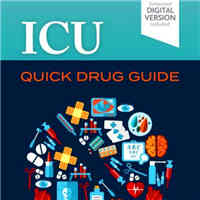
ICU Quick Drug Guide
Offering essential, evidence-based practice guidelines specifically for the critical care setting, ICU Quick Drug Guide contains up-to-date information in a quick-access format. This portable handbook provides fast, accurate... read more