Thromboinflammation and Antithrombotics in COVID-19
Thrombotic complications of SARS-CoV-2 infection were recognized early in the pandemic, when infected patients often presented with abnormal coagulation findings and acute macrovascular obstruction, and evidence of pulmonary... read more
Pulse Oximetry Waveform: A Non-invasive Physiological Predictor for the ROSC During CPR
Pulse oximetry plethysmography (POP) may be a novel and effective method for predicting return of spontaneous circulation (ROSC) during resuscitation, with a prognostic value similar to ETCO2 at early stage. 150 out-of-hospital... read more
Use of ECMO in Acutely Poisoned Pediatric Patients in US
Extracorporeal Membrane Oxygenation (ECMO) may improve the hemodynamic and metabolic status of poisoned pediatric patients. Persistent hypotension, acidemia/acidosis, and elevated Pao2 after 24 hours of ECMO were associated... read more
High Dose Insulin and Euglycemia Therapy for Beta-adrenergic Receptor Treatment and Calcium Channel Antagonists Overdose
High dose insulin with dextrose supplementation is indicated for patients with calcium channel blocker and beta blocker overdose and signs of cardiac toxicity. Mechanisms are not completely elucidated, but mostly related... read more
Hemodynamic Management Challenges of Septic Shock
Sepsis is one of the main causes of admission to the Intensive Care Unit (ICU). It is defined as a life-threatening organ dysfunction, caused by dysregulated host response to infection (Singer et al. 2016). Septic shock... read more
Moderate Procedural Sedation and Analgesia
Introducing the definitive resource designed for practitioners working in the rapidly expanding area of moderate procedural sedation and analgesia clinical practice. Moderate Procedural Sedation and Analgesia: A Question... read more
General Anesthesia vs. Sedation Using Hemodynamic Control During Intraarterial Treatment for Stroke
The functional outcomes 3 months after endovascular treatment for stroke were similar with general anesthesia and sedation. Our results, therefore, suggest that clinicians can use either approach. Of 351 randomized patients,... read more
Prone Position Minimizes the Exacerbation of Effort-dependent Lung Injury
Prone position, independent of positive end-expiratory pressure levels, diminishes a maldistribution of lung stress and inflation imposed by spontaneous effort and mitigates spontaneous effort, resulting in less effort-dependent... read more
Vasopressor Choice and Timing in Vasodilatory Shock
Vasodilatory shock is the most common form of circulatory shock encountered in patients admitted to the intensive care unit (ICU). Sepsis is the predominant etiology, but other causes of vasodilatory shock include postoperative... read more
Music Therapy Intervention to Treat Sedation-Related Delirium in Critical Care
Sedation is an essential component of treatment for some patients admitted to the intensive care unit, but it carries a risk of sedation-related delirium. Sedation-related delirium is associated with higher mortality and... read more
Higher Dose Antibiotic Shown Safe in TB Patients Likely More Effective in Treating Deadliest Form of TB
A Johns Hopkins Children’s Center-led study in animals suggests that high doses of a widely used antibiotic called rifampin may safely treat and reduce the duration of treatment for the deadliest form of tuberculosis that... read more
Acute Kidney Injury Related to Intoxication From Synthetic Cannabis
Acute kidney injury (AKI) occurs infrequently in young patients and often raises concern for irreversible or deadly etiologies. However, AKI related to synthetic marijuana, colloquially known as K2, is an increasingly common... read more
Risks and Burdens of Incident Diabetes in Long COVID
In the post-acute phase, we report increased risks and 12-month burdens of incident diabetes and antihyperglycaemic use in people with COVID-19 compared with a contemporary control group of people who were enrolled during... read more
Sepsis is scurvy? Vitamin C, Thiamine, and Steroids
I have avoided commenting on vitamin C for sepsis, because commentary seemed rather unnecessary. The hype was obviously ridiculous. The chances of it helping were clearly low. The evidence of benefit was negligible. Others... read more
Reducing Mortality in Acute Kidney Injury
This book describes the techniques, strategies, and drugs that have been demonstrated by at least one paper published in a peer-reviewed journal to significantly influence survival in patients with or at risk for acute kidney... read more
HFNO Alone or Alternating with NIV in ARF Patients
In critically ill immunocompromised patients with acute respiratory failure (ARF), the mortality rate did not differ between HFNO alone and non-invasive ventilation (NIV) alternating with high-flow nasal oxygen (HFNO). However,... read more
Plasma biomarkers of inflammation, coagulation, and brain injury as predictors of delirium duration in older hospitalized patients
Plasma Biomarkers of systemic inflammation and endothelial activation are associated with ED delirium duration in older ED patients without dementia. A total of 156 patients were enrolled. IL-6 (POR = 1.59, 95%CI: 1.09–2.32)... read more
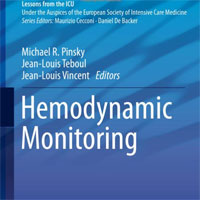
Hemodynamic Monitoring (Lessons from the ICU)
This book, part of the European Society of Intensive Care Medicine textbook series, teaches readers how to use hemodynamic monitoring, an essential skill for today's intensivists. It offers a valuable guide for beginners,... read more
The Family in Preventing Delirium in the ICU
Extended visits, development of family-mediated activities, and redirection are non-pharmacological strategies that reduce the incidence of delirium in the ICU and offer multiple benefits to the patient and family/caregiver. The... read more
Multi-Organ Point-Of-Care Ultrasound in AKI
Acute kidney injury (AKI) is a clinical syndrome caused by a multitude of hemodynamic, toxic, and structural insults to the kidney, and portends worse patient outcomes. Despite careful history taking, physical examination,... read more
Epinephrine vs. Norepinephrine in Cardiac Arrest Patients with Post-resuscitation Shock
Among patients with post-resuscitation shock after out-of-hospital cardiac arrest, use of epinephrine was associated with higher all-cause and cardiovascular-specific mortality, compared with norepinephrine infusion. Until... read more
Septic Shock and Vasopressor Initiation: Why Earlier is Better
An overview of vasopressor management, current evidence and when to initiate vasopressor therapy for best possible patient outcome. Vasopressor management is a cornerstone in the haemodynamic management of septic shock... read more